Please ensure Javascript is enabled for purposes of website accessibility

Category Archives: Oral Health

How to Treat Tongue Burns

How to Treat Tongue Burns: Quick Relief and When to See a Dentist

Tongue burns happen to everyone—think biting into scorching pizza or sipping too-hot coffee. These painful bumps or blisters on your tongue can make eating, talking, and even breathing uncomfortable. The good news? Most heal on their own, but knowing how to treat tongue burns speeds recovery and prevents infection.

Common Causes of Tongue Burns

Tongue burns typically result from thermal injury, where heat damages the sensitive mucous membranes. Other culprits include spicy foods, acidic drinks, or even hot dental tools during procedures. They appear as red, swollen bumps or white blisters filled with fluid, often throbbing with pain.

Home Remedies for Fast Relief

Start treatment right away with these simple steps to soothe the burn and promote healing.

  • Cool it down: Rinse your mouth with cold water or suck on ice chips for 10-15 minutes. This numbs pain and reduces swelling without shocking the tissue.
  • Saltwater rinse: Mix 1 teaspoon of salt in a glass of warm water and gargle several times a day. It cleans the area and draws out fluid from blisters.
  • Honey application: Dab a bit of raw honey on the bump—its antibacterial properties fight infection while moisturizing the burn.
  • Avoid irritants: Skip spicy, salty, or acidic foods/drinks for 48 hours. Opt for soft foods like yogurt or mashed potatoes.
  • Over-the-counter aids: Use oral gels with benzocaine for pain relief or aloe vera juice as a natural soother.

These remedies usually ease symptoms within 1-2 days.

Step-by-Step Treatment Timeline

Follow this process for optimal recovery:

  1. Immediate (0-1 hour): Cool rinse and ice to stop damage.
  2. Day 1: Salt rinses 4-6 times; apply honey 2-3 times.
  3. Days 2-3: Continue rinses, use OTC pain relief, and monitor for healing.
  4. Beyond day 3: If no improvement, seek professional care.
StageActionExpected Outcome
ImmediateCold rinse/icePain reduction, swelling down
Day 1Saltwater + honeyCleaning, blister shrinkage
Days 2-3Soft diet + OTC gelFull healing for minor burns
PersistentDentist visitRule out complications

When Tongue Burns Need Professional Attention

Most burns fade in 3-7 days, but watch for signs of trouble: worsening pain, pus, fever, or bumps spreading. These could signal infection or lie bumps (transient lingual papillitis). For expert care, search for experienced dentists near you. At our Dental office in Snellville, we handle stubborn cases quickly—Book an appointment today for peace of mind.

Prevention Tips for the Future

Protect your tongue by testing food temperature with a spoon first, using a straw for hot drinks, and wearing a mouthguard during sports. Stay hydrated to keep oral tissues resilient.

Tongue burns are temporary setbacks, but smart treatment keeps you smiling.

Frequently Asked Questions

1. How long do tongue burns take to heal?
Minor burns typically heal in 3-7 days with proper home care. Severe ones may take up to two weeks.

2. Are tongue burns contagious?
No, thermal burns aren’t contagious. However, if bumps stem from viral causes like cold sores, avoid sharing utensils.

3. Can I pop the blisters on my tongue?
Don’t pop them—doing so risks infection. Let them drain naturally as they heal.

4. What foods should I avoid with a tongue burn?
Steer clear of hot, spicy, acidic, or crunchy foods like citrus, chips, or nuts until healed.

5. Is honey safe for tongue burn treatment?
Yes, raw honey is antibacterial and soothing for most people, but diabetics should consult a doctor first.

6. When should I worry about tongue bumps?
See a dentist if pain lasts over a week, you have fever, or swelling worsens—could indicate infection.

Causes White Spots on Teeth

What Causes White Spots on Teeth?

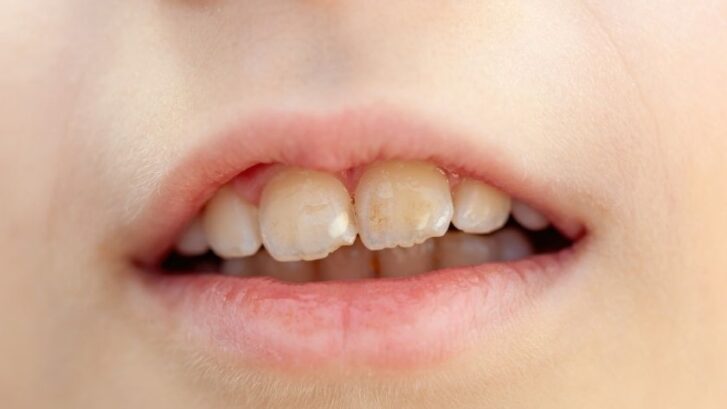
White spots on teeth can be alarming when you notice them in the mirror. These small, chalky patches often appear on the enamel, the hard outer layer of your teeth, and they might signal anything from minor issues to early signs of more serious dental problems. While they don’t always cause pain, ignoring them could lead to bigger concerns like cavities or enamel loss.

Understanding what causes white spots on teeth empowers you to take action early. In this guide, we’ll explore the common culprits, from everyday habits to underlying health conditions. Whether you’re in Snellville or anywhere else, knowing these causes helps you protect your smile. Let’s dive in.

Common Causes of White Spots on Teeth

White spots typically result from demineralization, where minerals like calcium and phosphate leach from the enamel. This process can be reversed in early stages with proper care, but it often progresses if ignored. Here are the primary triggers.

1. Poor Oral Hygiene and Plaque Buildup

Plaque, that sticky film of bacteria on your teeth, produces acids after you eat sugary or starchy foods. These acids erode enamel over time, creating white spots as the first visible sign of decay.

Brushing twice daily and flossing removes plaque effectively. Without consistent hygiene, bacteria thrive, leading to demineralized patches. Studies from the American Dental Association show that inadequate brushing contributes to 90% of early cavities, many starting as white spots.

2. Acidic Foods and Drinks

Frequent exposure to acids speeds demineralization. Sodas, citrus fruits, sports drinks, and even vinegar-based salad dressings lower your mouth’s pH, softening enamel.

For example, sipping lemonade all day bathes teeth in acid longer than eating an orange once. Saliva normally neutralizes this, but constant acid attacks overwhelm it, forming white spots. Limit acidic intake and rinse with water afterward to help.

3. Fluorosis from Excess Fluoride

Fluorosis occurs when kids under 8 consume too much fluoride during tooth development. Sources include toothpaste swallowed by toddlers, fluoridated water, or supplements.

Mild fluorosis shows as faint white streaks or spots—cosmetic, not harmful. Severe cases cause brown stains or pitting. The CDC recommends fluoride toothpaste pea-sized for ages 3-6 to prevent this.

4. Braces and Orthodontic Appliances

Orthodontic treatments like braces trap food and plaque around brackets and wires, making cleaning harder. This leads to localized demineralization, often called “white spot lesions,” affecting up to 50% of brace-wearers per orthodontic research.

Good habits like using a water flosser or electric toothbrush mitigate risks. Your orthodontist can apply sealants for extra protection.

5. Dry Mouth (Xerostomia)

Saliva protects teeth by washing away food particles and neutralizing acids. Conditions like Sjögren’s syndrome, medications (antihistamines, antidepressants), or mouth breathing reduce saliva flow, increasing white spot risk.

Chew sugar-free gum to stimulate saliva, stay hydrated, and discuss medications with your doctor. Nighttime mouthguards help chronic mouth breathers.

6. Medical Conditions and Nutritional Deficiencies

Certain health issues contribute indirectly. Celiac disease impairs nutrient absorption, weakening enamel. Eating disorders like bulimia expose teeth to stomach acids from vomiting.

Vitamin deficiencies—D, calcium, or phosphorus—during childhood tooth formation cause enamel hypoplasia, structurally weaker spots prone to whitening. Pregnancy complications or high fevers in infancy can also play a role. Balanced diets and prenatal care prevent these.

How White Spots Progress and Why Early Detection Matters

White spots start as subsurface lesions invisible to the naked eye. As demineralization advances, they surface as opaque patches. If remineralization doesn’t occur, they turn brown and form cavities.

Early intervention is key. Topical fluoride varnishes or gels can remineralize enamel, halting progression. Professional cleanings remove plaque barriers. Delaying risks invasive treatments like fillings or crowns.

For Snellville dentists near you, early checkups make a difference. Regular exams catch issues before they worsen.

Prevention Tips to Avoid White Spots

Preventing white spots boils down to daily habits and smart choices.

  • Brush and floss properly: Use fluoride toothpaste and a soft-bristle brush for two minutes twice daily. Floss nightly.
  • Limit sugars and acids: Eat them with meals, not as snacks. Wait 30 minutes post-acid to brush, letting the enamel reharden.
  • Use fluoride wisely: Mouthrinses or professional applications boost protection without excess.
  • Stay hydrated: Water rinses neutralize acids.
  • Visit your dentist regularly: Cleanings and exams spot problems early. Book an appointment today for personalized advice.
  • Protect during orthodontics: Follow your orthodontist’s hygiene protocol.

These steps keep enamel strong and spots at bay.

Treatment Options for Existing White Spots

Treatment depends on the cause and severity.

Remineralization therapies: Prescription fluoride pastes, gels, or CPP-ACP (casein phosphopeptide-amorphous calcium phosphate) products like MI Paste rebuild minerals.

Microabrasion: Dentists lightly sand spots and apply acid to etch them away, ideal for fluorosis.

Bleaching or veneers: Cosmetic options mask spots. Bleaching evens color; veneers cover severe cases.

Fillings: For decay-converted spots, composite fillings restore function and appearance.

At a dental office in Snellville, professionals tailor treatments. X-rays confirm if spots are actively decaying.

When to See a Dentist

Schedule a visit if white spots spread, darken, hurt, or accompany sensitivity. Painless spots warrant a check, too—better safe than sorry.

Children with spots need prompt evaluation to rule out developmental issues.

Conclusion: Protect Your Smile Today

White spots on teeth stem from demineralization triggered by plaque, acids, excess fluoride, braces, dry mouth, or health factors. Prevention through hygiene, diet, and checkups works wonders, while treatments reverse many cases.

Don’t let spots dim your confidence. Proactive care keeps your teeth healthy and bright.

Frequently Asked Questions

  1. Are white spots on teeth always cavities?
    No, they often indicate early demineralization, which can be reversed. Only progressing spots become cavities.
  2. Can white spots on teeth be removed at home?
    Mild cases improve with fluoride toothpaste and remineralizing products, but professional diagnosis ensures safety. Avoid abrasive home remedies like baking soda.
  3. Do white spots from braces go away?
    Many fade after braces with good hygiene and fluoride treatments, but some need cosmetic fixes.
  4. Is fluorosis permanent?
    Yes, but mild cases are cosmetic. Treatments like microabrasion improve appearance without affecting tooth health.
  5. Can diet alone cause white spots?
    Frequent acidic or sugary foods contribute, especially without brushing. Balance is key.
  6. How long do white spots take to form?
    Weeks to months, depending on habits. Consistent poor hygiene accelerates them.
Causes Extremely Dry Lips

Why Are My Lips So Dry? Common Causes

Dry, cracked lips are more than just an inconvenience—they can be uncomfortable, painful, and sometimes embarrassing. Many people in Snellville, GA notice their lips becoming excessively dry throughout the year, especially during seasonal changes. If you’ve been asking yourself, “Why are my lips so dry?” you’re not alone. Understanding the causes can help you find lasting relief and protect your oral health.

Why Lips Dry Out So Easily

The skin on your lips is much thinner and more delicate than the skin on the rest of your body. Unlike other areas, lips do not have oil glands, which means they can’t naturally retain moisture. As a result, they are highly vulnerable to environmental conditions, lifestyle habits, and underlying health issues.

In Snellville, fluctuating weather patterns—hot summers, cool winters, and varying humidity levels—can all contribute to dry lips.

Common Causes of Dry Lips

1. Weather and Environmental Factors

Cold air, wind, and low humidity during winter can quickly strip moisture from your lips. In summer, excessive sun exposure and heat can cause dehydration and sunburn on the lips. Snellville residents often experience both extremes throughout the year.

2. Dehydration

Not drinking enough water is one of the most common reasons for persistently dry lips. When your body is dehydrated, your lips are often one of the first places to show it.

3. Lip Licking and Biting

While licking your lips might feel soothing at first, saliva evaporates quickly and leaves lips even drier. Frequent biting or picking at peeling skin can also worsen dryness and lead to cracking.

4. Allergic Reactions

Certain lip balms, lipsticks, toothpaste, or mouthwashes may contain ingredients that irritate sensitive lips. Fragrances, menthol, and artificial flavors are common triggers.

5. Sun Damage

Many people forget that lips need sun protection, too. Without SPF, your lips can become sunburned, dry, and prone to peeling—especially during outdoor activities in Georgia’s sunny climate.

6. Mouth Breathing

Breathing through your mouth, particularly at night, can dry out your lips and surrounding oral tissues. This is often linked to nasal congestion, allergies, or sleep-related issues.

7. Underlying Health Conditions

Certain vitamin deficiencies (such as B vitamins or iron), thyroid disorders, and autoimmune conditions can cause chronic dry lips. In some cases, persistent dryness may signal an oral or dental issue.

How Dry Lips Can Affect Oral Health

Dry lips aren’t just a cosmetic concern. Cracked lips can create openings for bacteria, increasing the risk of infections. Persistent dryness around the mouth may also indicate issues like angular cheilitis, which causes painful cracks at the corners of the lips and often requires professional care.

Dentists often notice early signs of dehydration, nutritional deficiencies, or oral habits during routine exams—making dental visits an important part of overall health.

What causes extremely dry lips?

Extremely dry lips can be caused by a combination of environmental, lifestyle, and health-related factors. Here are the most common reasons:

1. Dehydration

Not drinking enough water reduces moisture throughout your body, and your lips are often the first area to show signs of dehydration.

2. Weather Conditions

Cold temperatures, wind, low humidity, and excessive sun exposure can strip moisture from your lips, causing severe dryness and cracking.

3. Frequent Lip Licking or Biting

Saliva evaporates quickly and leaves lips drier than before. Repeated licking, biting, or picking worsens irritation and dryness.

4. Allergic Reactions or Irritants

Ingredients in lip balms, lipstick, toothpaste, or mouthwash—such as fragrances, menthol, or artificial flavors—can trigger irritation and dryness.

5. Sun Damage

Lips can get sunburned without proper SPF protection, leading to peeling, soreness, and extreme dryness.

6. Mouth Breathing

Breathing through your mouth, especially while sleeping, dries out lips and surrounding oral tissues.

7. Vitamin and Nutrient Deficiencies

Low levels of B vitamins, iron, or zinc can cause cracked, dry, and inflamed lips.

8. Medical Conditions

Conditions such as eczema, thyroid disorders, diabetes, autoimmune diseases, or angular cheilitis can lead to persistent lip dryness.

9. Certain Medications

Some medications, including acne treatments, antihistamines, and blood pressure drugs, may cause dryness as a side effect.

10. Poor Oral Health

Oral infections or ill-fitting dental appliances can contribute to dryness and cracking around the lips.

When to See a Dental Professional in Snellville, GA

If your lips remain dry, cracked, or painful despite home care, it’s time to seek professional help. Chronic dry lips may be linked to oral infections, nutritional deficiencies, or other health concerns that shouldn’t be ignored. A local Snellville dentist can help determine the cause and guide you toward lasting relief.

Frequently Asked Questions

1. Are dry lips a sign of dehydration?
Yes, dehydration is a common cause of dry lips. Drinking more water often helps improve lip moisture.

2. Can weather in Snellville, GA cause dry lips?
Absolutely. Seasonal changes, heat, sun exposure, and cold winds can all dry out your lips.

3. Is lip licking bad for dry lips?
Yes. Lip licking worsens dryness by removing natural moisture and causing irritation.

4. Should I use lip balm every day?
Yes, daily use of a moisturizing lip balm—especially one with SPF—helps protect and hydrate your lips.

5. Can dental issues cause dry lips?
Certain oral conditions, mouth breathing, or infections can contribute to dryness around the lips.

6. When should I see a dentist for dry lips?
If dryness is persistent, painful, or accompanied by cracks or sores, a dental visit is recommended.

7. Are vitamin deficiencies linked to dry lips?
Yes, deficiencies in B vitamins, iron, or zinc can cause chronic lip dryness and cracking.

Get Rid Of Fissured Tongue

How To Get Rid Of Fissured Tongue?

Fissured tongue is a common, usually harmless condition where the surface of the tongue develops grooves or cracks that look worrying but rarely mean anything serious. It can’t usually be “cured” permanently, but good oral care, home remedies, and treating any underlying cause can keep symptoms under control and prevent complications such as bad breath or infections.

What is a fissured tongue?

A fissured tongue means there are one or more grooves running along the top (dorsum) of the tongue, sometimes with smaller side branches, giving it a cracked or folded appearance. These fissures can be shallow or several millimetres deep and may become more noticeable with age.

Most people do not feel any pain, but food and plaque can collect in these grooves, which may lead to irritation, bad breath, or infection if the tongue is not cleaned properly.

Causes of fissured tongue

In many people, the exact causes of fissured tongue are unknown, and the condition simply runs in families, suggesting a genetic tendency. It is also more common in adults and can gradually become more pronounced over time.

Fissured tongue may be associated with other conditions like geographic tongue, Down syndrome, psoriasis, Melkersson–Rosenthal syndrome, and nutritional problems such as certain vitamin deficiencies or malnutrition. Chronic irritation from habits such as smoking, alcohol, or very spicy foods can also make the tongue more inflamed and symptomatic.​​

Fissured tongue symptoms

Many people notice only the appearance: grooves, cracks, or furrow-like lines that may run down the middle of the tongue or branch outward. The tongue may look “scalloped” or brain-like in severe cases, but the tissue is usually soft and not ulcerated.

When symptoms do occur, they often include burning or soreness, sensitivity to spicy or acidic foods, bad breath, or a coated tongue when food and bacteria sit in the fissures. Occasionally, deep fissures can harbour fungal infections such as oral thrush, leading to redness, white coating, and more intense burning.

Is it dangerous?

On its own, a fissured tongue is considered a benign condition and is not contagious or cancerous. Many people live with it without any pain or complications and discover it only during a routine dental check-up.

The main concern is that retained food and bacteria can cause bad breath, local infections, or make tooth decay and gum disease more likely if oral hygiene is poor. Because it may occasionally point to underlying conditions or deficiencies, a professional evaluation is recommended if the fissured tongue appears suddenly, worsens quickly, or is associated with other symptoms.

Daily care and fissured tongue treatment

There is usually no surgical or “definitive” fissured tongue treatment; management focuses on hygiene and symptom control. Regular home care can dramatically reduce burning, odour, and infection risk.

Helpful steps include:

  • Brushing teeth twice daily and flossing once daily to lower the bacterial load in the whole mouth.
  • Gently brushing the top of the tongue with a soft toothbrush, paying special attention to the grooves without scrubbing aggressively.
  • Using a gentle tongue scraper once a day to lift debris from the fissures, stopping if there is pain or bleeding.
  • Rinse with an alcohol-free mouthwash or warm saltwater to soothe irritation and reduce bacteria, especially after meals.​

When bacterial or fungal infection is present, dentists may prescribe topical antifungal medicines or other drugs, and will treat any linked conditions such as nutritional deficiencies or gastrointestinal infections. If the fissured tongue is part of a syndrome such as Melkersson–Rosenthal or psoriasis, management of the underlying disorder becomes part of the long-term plan.

Fissured tongue home remedies

Simple fissured tongue home remedies can support professional care and keep the tongue comfortable. Drinking plenty of water helps maintain saliva flow and naturally cleanses the tongue surface. Limiting irritants such as smoking, alcohol, and very spicy or acidic foods reduces burning and makes it easier for irritated tissue to calm down.​

A warm saltwater rinse (half a teaspoon of salt in a glass of warm water) swished for 30 seconds to one minute can soothe minor irritation and help keep fissures cleaner. Some people benefit from balanced nutrition and, where prescribed, vitamin supplements like B-complex or iron when blood tests show deficiencies contributing to tongue changes. Always check with a dentist or physician before taking supplements at high doses.​​

When to see a dentist

Anyone with a cracked-looking tongue plus pain, burning, white patches, or difficulty eating should see a dentist for an examination. Sudden colour changes, growths, or ulcers that do not heal within two weeks also need prompt evaluation to rule out other conditions.

Regular dental check-ups—usually twice a year—allow your dentist to monitor the fissures, clean areas you cannot reach, and give personalised advice on cleaning your tongue safely. If you are concerned about grooves on your tongue or ongoing discomfort, visit our dental office for a thorough assessment and tailored care. Book an appointment to discuss your symptoms, possible causes of fissured tongue, and the best fissured tongue treatment plan for your situation.

FAQs

1. Can a fissured tongue go back to normal?
In most adults, the grooves themselves are considered a normal anatomical variation and do not fully disappear, but they often become less noticeable when inflammation and coating are controlled. Good hygiene and treating any infections or deficiencies can greatly improve comfort and appearance, even if some fissures remain.

2. Is a fissured tongue a sign of vitamin deficiency?
Fissured tongue can exist with no deficiency, but some cases are linked to low levels of B vitamins, iron, or general malnutrition. Blood tests guided by your healthcare provider can determine whether supplements are needed.​​

3. How do dentists clean a fissured tongue?
Dentists usually recommend and demonstrate gentle brushing or scraping techniques, and during professional cleanings, they remove plaque and debris from teeth and tongue surfaces. If there is thrush or another infection in the fissures, they can prescribe appropriate antifungal or antibacterial treatments.

4. Does a fissured tongue cause bad breath?
Yes, food particles and bacteria trapped in the grooves can produce unpleasant odours, especially if the tongue is not cleaned regularly. Daily tongue cleaning and overall good oral hygiene often reduce bad breath significantly.

5. Is a fissured tongue contagious?
The fissured tongue itself is not an infection and cannot be passed from person to person. Any associated infections, like oral thrus,h are also usually related to your own immune status and oral environment, not the fissures alone.

6. Can children have a fissured tongue?
Yes, some people develop fissured tongues in childhood, and the grooves can deepen or become more visible as they grow older. Parents should help children maintain good oral hygiene and seek dental advice if there is pain, burning, or difficulty eating.

7. What is the best way to brush a fissured tongue?
Use a soft-bristled toothbrush or tongue scraper, starting from the back and moving forward with light pressure to avoid trauma. Rinse thoroughly afterward, and repeat daily, stopping and contacting a dentist if there is persistent pain or bleeding.

Soft Foods to Eat After Teeth Pulled: Your Recovery Guide

Soft Foods to Eat After Teeth Pulled: Your Recovery Guide

Recovering from a tooth extraction requires sticking to soft foods that minimize chewing and promote healing. These foods provide essential nutrients like protein, vitamins, and healthy fats without irritating the extraction site.

Why Soft Foods Matter Post-Extraction

Tooth extractions create open wounds in the mouth that need time to clot and heal, typically 3-7 days for initial recovery. Hard, crunchy, or sticky foods can dislodge the blood clot, leading to painful dry socket or delayed healing. Soft options reduce swelling, prevent infection, and supply calories for energy during rest.

Dentists recommend cool or lukewarm temperatures to soothe inflammation—avoid very hot items that could dissolve clots. Nutrient focus includes protein for tissue repair, vitamin C for collagen formation, and iron for blood production. Staying hydrated with water or broths supports saliva flow and comfort.

Top Soft Food Recommendations

Stock your kitchen with these easy-to-swallow choices, categorized for variety across meals.

Breakfast Ideas

  • Oatmeal or cream of wheat: Cooked soft with milk for creaminess and fiber.
  • Smoothies or yogurt: Blend bananas, berries, or Greek yogurt for protein and probiotics.
  • Scrambled eggs or cottage cheese: Soft-cooked for high protein without chunks.

Lunch and Dinner Staples

  • Mashed potatoes or pureed soups: Butternut squash, lentil, or broth-based for vitamins A and C.
  • Well-cooked pasta or polenta: Tossed lightly with soft cheeses like ricotta.
  • Flaky fish or ground meats: Tilapia, tuna salad (no celery), or refried beans for omega-3s and iron.

Snacks and Desserts

  • Applesauce, pudding, or Jell-O: Seedless fruit purees like mashed avocado or peaches for vitamin C.
  • Ice cream or frozen yogurt: In moderation for cooling relief, paired with protein powder shakes.
  • Hummus or soft cheeses: With mashed peas or steamed carrots for dips that pack antioxidants.

Meal Planning Tips for the First Week

Days 1-2 (Liquid Focus): Sip blended soups, milkshakes without straws, or smoothies to ease initial soreness. Add protein powder to yogurt for satiety—aim for 50-60g protein daily.

Days 3-5 (Semi-Soft Transition): Introduce mashed potatoes, scrambled eggs, or soft pasta. Chew on the opposite side and rinse gently with saltwater after eating.

Beyond Day 5: Gradually add tofu, soft bread, or quinoa as swelling subsides, but skip nuts or seeds. Track intake to hit 1,800-2,000 calories if active.

Prepare in advance: Batch-cook purees or freeze portions. Consult your local dentist for personalized advice, especially if on medications affecting appetite.

Foods to Avoid During Recovery

Steer clear of spicy, acidic, or fizzy drinks that irritate wounds, along with seeds, popcorn, or chips that lodge in sockets—no straws, as they risk dry socket due to suction.

My Gums Bleed When I Floss

Why Do My Gums Bleed When I Floss?

Many people notice a little pink in the sink after flossing and wonder if something is wrong. Bleeding gums can be concerning, but it’s often a sign that your mouth needs more care—not less. Flossing is an essential part of maintaining good oral hygiene, and if your gums bleed when you floss, it’s important to understand why this happens and what you can do about it.

Common Reasons Gums Bleed During Flossing

Bleeding while flossing can be caused by several factors, from simple irritation to more serious gum disease. Let’s look at some of the most common causes.

1. Gingivitis (Early Gum Disease)

The most common cause of bleeding gums is gingivitis—the earliest stage of gum disease. When plaque builds up along the gumline and isn’t removed through brushing or flossing, it hardens into tartar, irritating the gums. This irritation causes inflammation, leading to redness, swelling, and bleeding during brushing or flossing.

The good news is that gingivitis is reversible with proper oral care and regular dental cleanings. By brushing twice a day, flossing daily, and visiting your dentist regularly, you can restore gum health and stop the bleeding.

2. Poor Flossing Technique

Sometimes the problem isn’t your gums—it’s how you’re flossing. Using too much force or snapping the floss between teeth can injure delicate gum tissue, causing it to bleed. The correct technique is to gently guide the floss down between each tooth, curve it into a “C” shape around the tooth, and carefully move it up and down along the sides.

If you need help learning the right technique, your dental hygienist can demonstrate it during your next visit. Flossing shouldn’t hurt; it should feel like a light massage for your gums.

3. Flossing Too Infrequently

Ironically, gums often bleed when you start flossing regularly after a long break. When plaque and bacteria have been building up, your gums may become sensitive. Once you begin flossing again, the gums react to that new stimulation by bleeding slightly. However, if you keep at it daily, the bleeding should subside within a week or two as your gums become healthier.

4. Plaque and Tartar Buildup

Plaque is a sticky film of bacteria that forms on teeth every day. If not removed, it hardens into tartar, which can only be removed by a dental professional. Both plaque and tartar irritate gum tissue, triggering inflammation and bleeding. This buildup often occurs along the gumline, which is why consistent brushing, flossing, and professional cleanings are essential for preventing gum infections.

5. Vitamin Deficiency

Deficiencies in vitamins like vitamin C and vitamin K can impair your gum health and blood clotting ability, making your gums more likely to bleed. A balanced diet rich in citrus fruits, leafy greens, and whole grains supports strong gums and reduces the likelihood of bleeding.

6. Medications and Health Conditions

Certain medications—such as blood thinners, aspirin, or anticoagulants—can increase bleeding risk, including in the gums. Conditions like diabetes, hormonal changes (especially during pregnancy), or immune disorders can also make gums more sensitive or prone to bleeding. If you suspect your medication or health condition plays a role, mention it to your dentist during your next appointment.

What You Can Do to Stop Gum Bleeding

Bleeding gums should never be ignored. With simple daily habits and professional help, you can improve your gum health significantly.

1. Improve Your Oral Hygiene Routine

Brush your teeth at least twice daily using a soft-bristle toothbrush and fluoride toothpaste. Floss once a day, being gentle and consistent. You may also benefit from using an antimicrobial or fluoride mouthwash to reduce bacteria and plaque.

2. Stay Consistent With Flossing

If the bleeding started when you began flossing again, don’t stop. In most cases, the bleeding will decrease as your gums get used to it. Gums that bleed less over time are a clear sign you’re improving your oral health.

3. Use the Right Tools

Consider using waxed floss, a floss holder, or a water flosser if you find traditional floss difficult to maneuver. These tools can make cleaning between teeth easier and less irritating to the gums.

4. See Your Dentist for a Professional Cleaning

If bleeding persists for more than a week or two despite good home care, schedule a professional cleaning. Dental hygienists can remove hardened tartar and bacteria that regular brushing and flossing can’t reach. This cleaning helps reset your gum health and stops ongoing inflammation.

5. Focus on Nutrition and Hydration

Eating a diet rich in fresh fruits, vegetables, and protein supports gum health and reduces inflammation. Staying hydrated also encourages saliva production, which naturally helps control bacteria in your mouth.

6. Discuss Medications With Your Dentist

If you’re on medication that increases bleeding, your dentist may coordinate with your healthcare provider to find a solution or adjust your oral care plan to minimize side effects.

When Bleeding Gums Could Mean Something More Serious

Occasional mild bleeding is usually nothing to worry about, but persistent or severe bleeding may be a sign of periodontitis—a more advanced form of gum disease. This infection damages the tissues and bone supporting your teeth and, if untreated, can lead to tooth loss.

Common symptoms include receding gums, bad breath, loose teeth, or changes in how your teeth fit when biting. If you notice these signs, it’s important to schedule an evaluation for a periodontal assessment.

Preventing Bleeding Gums in the Future

Healthy gums don’t bleed. The best way to prevent bleeding is through daily care and regular dental visits. Here are some preventive tips:

  • Brush twice daily with a soft-bristle toothbrush.
  • Floss gently once a day.
  • Visit your dentist every six months for exams and cleanings.
  • Eat a nutrient-rich diet and stay hydrated.
  • Avoid tobacco, which greatly increases gum disease risk.
  • Monitor your gums for changes in color, texture, or sensitivity.

By following these steps consistently, you can keep your gums strong, healthy, and free from bleeding.

FAQs

1. Is it normal for gums to bleed when I first start flossing?
Yes, mild bleeding can occur when you first start flossing after a break. This usually improves within a week or two as your gums get healthier. Keep flossing daily and maintain good oral hygiene.

2. Can bleeding gums heal on their own?
Yes, if the bleeding is caused by mild inflammation or gingivitis, it can heal with improved brushing, flossing, and professional cleanings. Persistent bleeding may require further evaluation.

3. How can I tell if I have gum disease?
Symptoms include chronic bleeding, swollen or tender gums, receding gumlines, bad breath, or loose teeth. Schedule a dental exam if you notice any of these signs.

4. Will using mouthwash help stop my gums from bleeding?
An antibacterial or fluoride mouthwash can help reduce plaque and bacteria, promoting gum health. However, mouthwash alone isn’t a substitute for brushing and flossing.

5. Should I avoid flossing if my gums bleed?
No, stopping flossing can make your gums worse. Continue flossing gently and consistently to remove plaque. The bleeding should lessen as your gums heal.

6. Can diet affect gum bleeding?
Yes. A diet low in vitamin C or K can make your gums more likely to bleed. Eating fruits, vegetables, and whole grains supports strong, healthy gums.

7. When should I see a dentist about bleeding gums?
If your gums continue to bleed after one to two weeks of good home care, or if you notice pain, swelling, or loose teeth, schedule a dental appointment for evaluation.

My Tongue Hurt on the Side

Why Does My Tongue Hurt on the Side?

Feeling pain on the side of your tongue can be frustrating, especially when you’re unsure what’s causing it. Whether it’s a small sore that won’t go away, a painful bump, or a burning sensation that appears suddenly, tongue pain can make it difficult to talk, eat, or even swallow comfortably.

If your tongue hurts on one side, several common causes could be responsible—from accidental bites and irritation to infections or underlying health issues. Understanding the reason behind your discomfort helps you find relief faster and know when to see your dentist.

Common Causes of Side Tongue Pain

1. Accidental Tongue Biting or Trauma

One of the most frequent reasons the side of your tongue hurts is accidental injury. You might accidentally bite your tongue while chewing or talking, or injure it with the sharp edges of teeth, dental appliances, or braces. The injured area can swell, forming a sore or ulcer that stings when touched by food or drinks.

Usually, minor tongue injuries heal on their own within a few days. However, continuous irritation from sharp teeth, broken fillings, or ill-fitting dentures can make healing slower and more painful.

2. Canker Sores

Canker sores, or aphthous ulcers, are small, round lesions that can appear on the sides, tip, or underside of the tongue. They may develop due to stress, minor trauma, hormonal changes, or certain acidic foods.

These sores typically cause a burning or stinging sensation and may last 7–10 days before fading away. While they’re not contagious, frequent outbreaks may require professional evaluation.

3. Tongue Infection

A tongue infection can cause pain, swelling, and redness, especially if bacteria, fungi, or viruses are involved. Fungal infections like oral thrush (caused by Candida yeast) create white patches and tenderness along the tongue surface. Bacterial infections might lead to pus, swelling, and a bad taste in your mouth.

If the side of your tongue hurts and appears coated or swollen, it’s wise to have a dentist check for infection. Early treatment can prevent discomfort from spreading to other areas of your mouth.

4. Irritation from Dental Appliances or Teeth

Braces, retainers, dentures, or jagged teeth can constantly rub against your tongue, leading to soreness on one or both sides. Even a rough filling or chipped crown can irritate the delicate tongue tissues.

In such cases, the pain will persist until the source of irritation is removed or adjusted. Your dentist can smooth sharp edges or modify appliances to prevent further discomfort.

5. Burning Mouth Syndrome

Burning mouth syndrome (BMS) causes continuous burning or tenderness in the tongue and other areas of the mouth without an obvious cause. It’s more common among middle-aged or older adults, especially women.

Possible triggers include hormonal changes, dry mouth, nutritional deficiencies (like low vitamin B12 or iron), or nerve-related issues. Managing BMS often involves addressing the underlying health condition and reducing mouth irritation.

6. Oral Lichen Planus

Oral lichen planus is an inflammatory condition that affects the lining of the mouth and sometimes the tongue. It often appears as white, lacy patches or painful red areas on the sides of the tongue. The cause isn’t always clear, but it’s believed to involve an immune system reaction.

While mild cases may not require treatment, more painful cases benefit from prescription mouth rinses or topical medications to relieve irritation.

7. Allergic Reactions or Irritants

Certain foods, toothpaste ingredients, or mouthwashes can trigger allergic reactions or irritation on the tongue. Cinnamon, spicy foods, and acidic fruits are known culprits for some people.

If your tongue hurts on one side after using a new oral care product or eating something unusual, try eliminating those items to see if symptoms improve.

8. Oral Cancer

Persistent sores or lumps on the side of the tongue that don’t heal after two weeks could indicate a more serious condition, such as oral cancer. Risk factors include tobacco use, excessive alcohol consumption, and human papillomavirus (HPV) infection.

Early detection leads to better treatment outcomes, so if you notice ongoing pain or a lesion that doesn’t resolve, arrange a dental or medical examination promptly.

Symptoms That Require Professional Attention

It’s normal to have minor soreness that heals within a few days. However, contact your local dentist or healthcare provider if you notice:

  • A sore that lasts more than 10–14 days
  • Pain that worsens instead of improving
  • Swelling, numbness, or difficulty moving your tongue
  • White or red patches that don’t go away
  • A lump or thickened area on the side of your tongue
  • Unexplained bleeding or persistent bad taste

Early diagnosis prevents complications, especially if infection or precancerous changes are involved.

At-Home Relief for Tongue Pain

While identifying the cause is essential, these home care tips can help ease discomfort:

  • Rinse your mouth with a saltwater solution (½ teaspoon salt in one cup of warm water) twice daily.
  • Avoid spicy, salty, or acidic foods that can irritate the tongue.
  • Use a soft-bristled toothbrush to prevent further trauma.
  • Stay hydrated and avoid alcohol-based mouthwashes.
  • Try over-the-counter pain relief gels designed for mouth sores.

If your tongue pain doesn’t improve in a week or two, seek professional evaluation to rule out infection or other conditions.

Preventing Tongue Pain

Prevention involves maintaining good oral hygiene and protecting your tongue from injury or irritation:

  • Brush and floss daily to reduce bacterial buildup.
  • Visit your dentist regularly for cleanings and oral cancer screenings.
  • Manage dental restorations or appliances that rub your tongue.
  • Eat a balanced diet rich in vitamins and minerals.
  • Avoid tobacco and limit alcohol to prevent tissue damage.

A proactive approach not only prevents discomfort but also supports long-term oral health.

Final Thoughts

A sore or painful tongue can stem from something as simple as a small bite or as serious as an infection or oral lesion. Paying attention to your symptoms and getting timely dental advice ensures peace of mind and proper healing. If your tongue hurts on one side and doesn’t improve, reach out to your dental professional for evaluation and relief.

FAQs

1. Why does my tongue hurt on one side only?
Pain on one side of your tongue often stems from local irritation—such as a small cut, sore, or irritation from a dental appliance. However, infections or nerve conditions can also cause localized discomfort.

2. How long does tongue pain usually last?
Minor tongue sores or irritation typically heal within 7 to 10 days. If pain lasts longer or worsens, schedule a dental checkup to rule out infection or other causes.

3. Can a tongue infection heal without treatment?
Mild infections may improve with good oral hygiene, but persistent soreness, swelling, or white patches often need professional treatment with antifungal or antibacterial medication.

4. What does a tongue infection look like?
A tongue infection can appear as white patches (like thrush), red inflamed areas, or ulcers. You may also experience a burning sensation, bad taste, or swollen tongue tissue.

5. Can stress cause tongue pain?
Yes, stress can trigger canker sores or cause you to unintentionally bite or clench your tongue, leading to soreness on one or both sides.

6. When should I see a dentist about tongue pain?
If your side tongue pain lasts longer than two weeks, shows visible patches, or makes it hard to eat or speak, it’s time for a professional evaluation.

7. How can I prevent recurring tongue sores?
Avoid mouth irritants like tobacco and alcohol, maintain oral hygiene, eat a nutrient-rich diet, and manage stress levels. If sores recur frequently, your dentist can check for underlying causes such as vitamin deficiencies or chronic irritation

Fastest Way to Heal Swollen Gums

What Is The Fastest Way To Heal Swollen Gums?

The fastest way to heal swollen gums is to combine effective home remedies with good oral hygiene and, when necessary, seek professional dental care for persistent symptoms. Timely action can drastically reduce discomfort and speed up recovery, helping restore gum health quickly.

Understanding Swollen Gums

Swollen gums are a common sign of gum irritation, inflammation, or infection, typically caused by poor oral hygiene, plaque buildup, injury, or underlying conditions like gingivitis. Symptoms often include puffiness, redness, bleeding, or tenderness during brushing and eating.

Fastest Home Remedies for Healing

Several proven remedies can accelerate gum healing when used consistently and correctly:

  • Saltwater Rinse: Dissolve 1 teaspoon of salt in a glass of warm water, swish it for 30 seconds, and spit it out. Repeat 2–3 times daily to decrease inflammation and bacteria.
  • Warm & Cold Compresses: Alternate between holding a warm cloth and a cold compress (ice pack) against your face near the swollen area for 5–10 minutes each. This reduces swelling and relieves pain, especially during the first two days.
  • Turmeric Gel or Paste: Apply turmeric gel or a paste (turmeric powder plus water) to your gums after brushing, let it sit for 10 minutes, then rinse. Turmeric’s curcumin offers potent anti-inflammatory benefits.
  • Aloe Vera Gel: Natural aloe vera gel can soothe irritation and help lower gum inflammation. Apply and leave on the gums briefly before rinsing.
  • Oil Pulling: Swishing coconut or sesame oil in your mouth for 10–15 minutes may reduce bacteria and swelling. Spit it out and rinse your mouth afterward.

Oral Hygiene Tips

Improving your oral hygiene is crucial for fast gum healing:

  • Brush twice daily with a soft-bristled toothbrush using gentle circular motions.
  • Floss slowly and carefully to avoid injuring your gums, ensuring food particles don’t get trapped.
  • Use non-alcoholic, antiseptic mouthwash to decrease bacteria and support healing.
  • Avoid using irritants such as harsh toothpaste, strong mouthwashes, tobacco, or alcohol, which can exacerbate swelling.

Dietary and Lifestyle Support

What you eat and your daily habits can influence your recovery rate:

  • Stay hydrated—drink plenty of water throughout the day.
  • Eat a diet rich in vitamin C (citrus fruits, broccoli) and calcium (dairy, leafy greens) to strengthen gums and accelerate healing.
  • Avoid sugary foods and sodas, which promote bacterial growth.

Medication and Professional Treatments

If home remedies and improved hygiene do not resolve swelling in a few days:

  • Over-the-counter anti-inflammatories (like ibuprofen) can help with pain and swelling.
  • Medicated gels or mouthwashes may be suggested for direct topical relief.
  • Seek a dentist’s evaluation for antibiotics or prescription treatments if infection, pus, fever, or persistent pain is present.

When to Consult a Dentist

Always see a dentist if:

  • Swelling lasts more than a week despite self-care.
  • There are signs of infection (fever, pus, severe pain).
  • Gum problems recur often, bleeding is severe, or teeth become loose.

Prevention Tips

Speedy recovery is possible with consistent prevention:

  • Brush and floss daily.
  • Avoid tobacco and limit alcohol intake.
  • Visit your dentist regularly for professional cleanings.

Frequently Asked Questions (FAQs)

1. How quickly can swollen gums heal with home remedies?
Most mild cases start improving within 2–3 days if treated promptly with saltwater rinses, compresses, and good oral hygiene. Severe cases may need a dentist’s care.

2. Is a saltwater rinse safe for daily use?
Yes, saltwater rinses are safe when used 2–3 times daily for short periods and can reduce bacteria and inflammation fast.

3. Is it okay to brush swollen gums?
Yes, but use a soft-bristled brush and gentle motions. Avoid hard scrubbing, which may worsen swelling.

4. When should I try turmeric or aloe vera gel for swollen gums?
After brushing your teeth, apply turmeric paste or aloe vera to your gums, wait a few minutes, then rinse. Both offer safe, natural relief for mild swelling.

5. Can swollen gums indicate a serious problem?
Swollen gums can result from gingivitis or infection. If swelling persists over a week, or if there is significant pain, pus, or loose teeth, consult a dentist immediately.

Get Rid of Cold Sores Fast

How to Get Rid of Cold Sores Fast?

Cold sores, also known as fever blisters, are small, painful blisters that form around the lips, mouth, or nose. They are caused by the herpes simplex virus type 1 (HSV-1) and can reappear due to triggers like stress, sunlight, or illness. While there’s no cure, you can drastically shorten their duration and reduce discomfort with early and consistent care.

What Causes Cold Sores

Cold sores typically develop when HSV-1 becomes active after lying dormant in the body. Triggers include fatigue, sun exposure, hormonal changes, cold weather, or a weakened immune system. Recognizing the early tingling or itching stage is key to stopping the outbreak before blisters appear.

Early Treatment for Faster Healing

The faster you treat a cold sore, the quicker it heals. At the first sign of tingling or burning, start applying antiviral medication. Over-the-counter (OTC) options such as docosanol (Abreva) can reduce healing time if used early. For recurrent or severe outbreaks, your doctor may prescribe oral antivirals like:

  • Valacyclovir (Valtrex)
  • Acyclovir (Zovirax)
  • Famciclovir (Famvir)
  • Penciclovir (Denavir)

Taking these medications at the initial stage can prevent the cold sore from progressing or reduce its duration by one to two days.

Effective Home Remedies

Home treatments can ease pain and speed healing when used consistently. Some popular remedies include:

  • Cold compresses: Applying a cold, damp washcloth helps numb pain and reduce swelling.
  • Petroleum jelly: Keeps sores soft and prevents cracking.
  • Aloe vera gel: Has antiviral and cooling properties that soothe irritation.
  • Lemon balm: Natural compounds may help fight HSV-1 and speed recovery.
  • Peppermint or tea tree oil: Both possess antiviral properties that can support healing when diluted and applied gently.
  • Manuka honey: Has antibacterial qualities and can quicken healing time.

Using Antiviral Creams Correctly

Topical treatments are most effective within the first 24 hours. Apply a thin layer to the affected area every 2–3 hours for up to five days. Avoid touching the sore directly—use a cotton swab to prevent spreading the virus. If you frequently get cold sores, keep antiviral cream in your first-aid kit.

Pain and Swelling Relief

The discomfort from cold sores can be managed easily at home. Painkillers like acetaminophen or ibuprofen reduce inflammation and relieve soreness. You can also use anesthetic creams containing lidocaine or benzocaine to numb the area temporarily. Applying a warm compress may ease blister pain during the healing phase.

Boosting Immunity and Nutrition

Supporting your immune system plays a vital role in faster recovery. A diet rich in vitamins C and E can accelerate healing and strengthen immunity. Lysine supplements—available as creams or capsules—may help prevent future outbreaks by counteracting arginine, an amino acid that the HSV-1 virus uses to replicate. If you’re prone to breakouts, consider taking lysine regularly after consulting your doctor.

Sun Protection and Moisture Care

Sun exposure can trigger cold sores. Applying a lip balm with SPF 30 or higher reduces recurrence risk. Keep your lips moisturized using a cream or ointment with ingredients like zinc oxide or shea butter. Hydrated lips heal quickly and prevent cracking that can prolong infection.

Managing Stress and Lifestyle Factors

Stress is one of the most common cold sore triggers. Techniques like deep breathing, meditation, and adequate sleep can lower stress levels and reduce the likelihood of future outbreaks. Maintaining good hygiene, avoiding close contact during active outbreaks, and not sharing utensils, lip balms, or towels can also help prevent spreading HSV-1.

What to Avoid During Healing

Certain habits can delay healing or increase the risk of spreading the virus. Avoid:

  • Picking or scratching the scab
  • Using makeup on active sores
  • Kissing or performing oral sex
  • Consuming acidic foods like citrus and tomatoes

Allow the sore to heal naturally. Most cold sores resolve within 7–10 days, though prescription treatments can shorten this period by about a day.

Summary

To get rid of cold sores fast, act at the first sign of symptoms. Use antiviral creams, apply home remedies to ease pain, maintain proper hydration, and manage stress effectively. Early treatment and consistent care are the keys to faster recovery and fewer future outbreaks.

Frequently Asked Questions (FAQs)

1. How long do cold sores last?
Cold sores usually last 7–10 days but can heal faster—sometimes within 5 days—if treated early with antiviral medication.

2. Can I make a cold sore go away overnight?
While complete overnight healing isn’t possible, beginning antiviral treatment immediately can drastically reduce its progression.

3. Are cold sores contagious?
Yes. They’re highly contagious from the tingling stage until completely healed. Avoid skin contact or sharing items during this time.

4. What triggers cold sores?
Common triggers include stress, hormonal changes, sun exposure, fatigue, and illness.

5. Is Abreva effective?
Abreva (docosanol) is an FDA-approved antiviral cream that can shorten healing time if used early.

6. Can diet affect cold sores?
Yes. Eating foods rich in lysine and avoiding those high in arginine, like chocolate or nuts, may help reduce outbreaks.

7. Should I pop a cold sore?
No. Popping the blister spreads the virus and can worsen the infection.

8. Can cold sores appear without contact?
They can reactivate internally from the virus already present in your body, even without new contact.

9. Are natural remedies safe?
Most are safe when applied correctly, but essential oils like tea tree or peppermint should always be diluted first.

10. When should I see a dentist?
If sores last longer than two weeks, appear near your eyes, or cause severe discomfort, consult a healthcare professional.

Home Remedies for Sleep Apnea

7 Simple Home Remedies for Sleep Apnea

Sleep apnea is a serious sleep disorder where breathing repeatedly stops and starts throughout the night. It can lead to daytime fatigue, irritability, and even health issues such as high blood pressure or heart disease if left untreated. While professional care is often necessary, several natural remedies can help reduce symptoms and improve sleep quality. Here are seven simple home remedies for sleep apnea that you can start today.

1. Maintain a Healthy Weight

Excess weight, especially around the neck, can put pressure on the airway, making it more likely to collapse during sleep. Losing even a small amount of weight can make a noticeable difference in breathing patterns and reduce snoring. Adopting a balanced diet, reducing sugar intake, and engaging in regular physical activity can all support healthy weight management and ease sleep apnea symptoms.

2. Sleep on Your Side

Sleeping on your back can worsen sleep apnea symptoms because it allows the tongue and soft tissues to collapse backward, blocking the airway. Try sleeping on your side instead. If you find it difficult to stay in this position, use a body pillow or place a tennis ball in the back of your pajama top to prevent rolling onto your back. This simple adjustment can significantly reduce snoring and nighttime breathing interruptions.

3. Avoid Alcohol and Sedatives

Alcohol, sedatives, and sleeping pills relax the muscles in the throat, increasing the chances of airway blockage during sleep. Avoid consuming alcohol at least four hours before bedtime, and speak to your doctor before using any medication that causes drowsiness. Reducing or eliminating these substances can improve your sleep quality and help prevent breathing pauses.

4. Practice Good Sleep Hygiene

Establishing a consistent bedtime routine and ensuring you get enough rest can minimize sleep apnea symptoms. Aim to go to bed and wake up at the same time every day, even on weekends. Create a calm environment by keeping your bedroom cool, dark, and quiet. Avoid screen time for at least 30 minutes before bed, and try relaxation techniques such as deep breathing, meditation, or gentle stretching.

5. Use a Humidifier

Dry air can irritate the respiratory system and worsen congestion, making it harder to breathe at night. Using a humidifier in your bedroom adds moisture to the air, keeping your throat and nasal passages open. You can also add a few drops of essential oils like eucalyptus or lavender for additional respiratory benefits and relaxation.

6. Try Breathing Exercises

Strengthening the muscles that control breathing can improve airflow and reduce sleep apnea symptoms. Simple exercises, such as diaphragmatic breathing and throat muscle training, can be effective. For example, practicing yoga breathing (known as “pranayama”) helps improve lung capacity and promotes relaxation, which may help you sleep more soundly.

7. Adjust Your Sleep Position with Elevated Head Support

Raising the head of your bed or using an extra pillow can help keep the airway open. Elevating your head by about 30 degrees prevents the tongue and soft tissues from collapsing into the throat. Adjustable beds or wedge pillows are great tools for maintaining this position comfortably throughout the night.

When to Seek Professional Help

While home remedies can provide relief for mild cases, moderate to severe sleep apnea requires professional intervention. Persistent snoring, choking during sleep, or constant daytime fatigue may indicate that you need a medical evaluation. If you suspect you have sleep apnea, book an appointment with a qualified sleep specialist to explore suitable Sleep Apnea treatment options.

Conclusion

Managing sleep apnea naturally is possible with consistent effort and healthy habits. These home remedies can help you breathe easier and sleep better, but they’re not a substitute for professional care. If symptoms persist or worsen, seek expert advice to ensure proper diagnosis and effective treatment.

FAQs

1. What are the common symptoms of sleep apnea?
Common symptoms include loud snoring, waking up gasping for air, morning headaches, dry mouth, and excessive daytime sleepiness.

2. Can lifestyle changes alone cure sleep apnea?
Lifestyle changes can significantly reduce symptoms in mild cases, but more severe sleep apnea often requires medical treatment such as CPAP therapy or oral appliances.

3. Is snoring always a sign of sleep apnea?
Not always. While many people with sleep apnea snore, not everyone who snores has the condition. Other symptoms, like pauses in breathing and fatigue, help determine the difference.

4. How does weight loss help sleep apnea?
Weight loss reduces pressure on the airway and helps prevent collapse during sleep, improving breathing and reducing apnea episodes.

5. Are there any foods that help improve sleep apnea?
Foods rich in magnesium, antioxidants, and omega-3 fatty acids can promote better sleep quality. Avoid heavy meals, caffeine, and alcohol before bedtime.

6. Can essential oils help with sleep apnea?
Essential oils like eucalyptus, peppermint, or lavender can ease breathing and relaxation, especially when used in a humidifier or diffuser.

7. How is sleep apnea diagnosed?
Sleep apnea is diagnosed through a sleep study (polysomnography), which monitors your breathing, heart rate, and oxygen levels overnight.

1 2 3