Please ensure Javascript is enabled for purposes of website accessibility

Category Archives: Sleep Apnea

Home Remedies for Sleep Apnea

7 Simple Home Remedies for Sleep Apnea

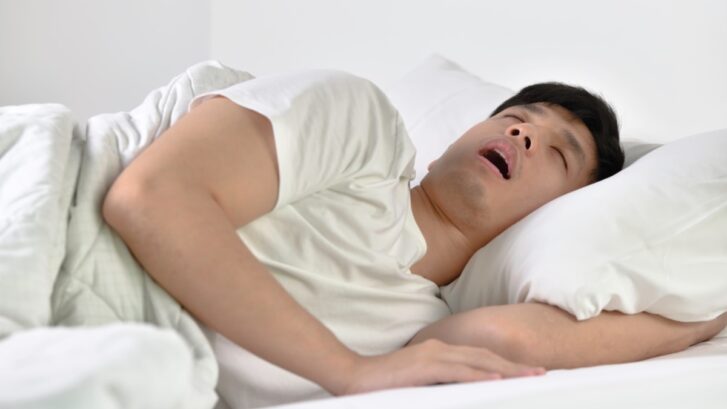
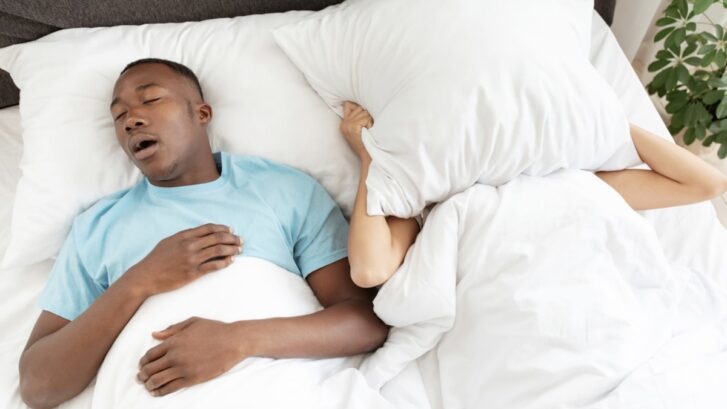
Sleep apnea is a serious sleep disorder where breathing repeatedly stops and starts throughout the night. It can lead to daytime fatigue, irritability, and even health issues such as high blood pressure or heart disease if left untreated. While professional care is often necessary, several natural remedies can help reduce symptoms and improve sleep quality. Here are seven simple home remedies for sleep apnea that you can start today.

1. Maintain a Healthy Weight

Excess weight, especially around the neck, can put pressure on the airway, making it more likely to collapse during sleep. Losing even a small amount of weight can make a noticeable difference in breathing patterns and reduce snoring. Adopting a balanced diet, reducing sugar intake, and engaging in regular physical activity can all support healthy weight management and ease sleep apnea symptoms.

2. Sleep on Your Side

Sleeping on your back can worsen sleep apnea symptoms because it allows the tongue and soft tissues to collapse backward, blocking the airway. Try sleeping on your side instead. If you find it difficult to stay in this position, use a body pillow or place a tennis ball in the back of your pajama top to prevent rolling onto your back. This simple adjustment can significantly reduce snoring and nighttime breathing interruptions.

3. Avoid Alcohol and Sedatives

Alcohol, sedatives, and sleeping pills relax the muscles in the throat, increasing the chances of airway blockage during sleep. Avoid consuming alcohol at least four hours before bedtime, and speak to your doctor before using any medication that causes drowsiness. Reducing or eliminating these substances can improve your sleep quality and help prevent breathing pauses.

4. Practice Good Sleep Hygiene

Establishing a consistent bedtime routine and ensuring you get enough rest can minimize sleep apnea symptoms. Aim to go to bed and wake up at the same time every day, even on weekends. Create a calm environment by keeping your bedroom cool, dark, and quiet. Avoid screen time for at least 30 minutes before bed, and try relaxation techniques such as deep breathing, meditation, or gentle stretching.

5. Use a Humidifier

Dry air can irritate the respiratory system and worsen congestion, making it harder to breathe at night. Using a humidifier in your bedroom adds moisture to the air, keeping your throat and nasal passages open. You can also add a few drops of essential oils like eucalyptus or lavender for additional respiratory benefits and relaxation.

6. Try Breathing Exercises

Strengthening the muscles that control breathing can improve airflow and reduce sleep apnea symptoms. Simple exercises, such as diaphragmatic breathing and throat muscle training, can be effective. For example, practicing yoga breathing (known as “pranayama”) helps improve lung capacity and promotes relaxation, which may help you sleep more soundly.

7. Adjust Your Sleep Position with Elevated Head Support

Raising the head of your bed or using an extra pillow can help keep the airway open. Elevating your head by about 30 degrees prevents the tongue and soft tissues from collapsing into the throat. Adjustable beds or wedge pillows are great tools for maintaining this position comfortably throughout the night.

When to Seek Professional Help

While home remedies can provide relief for mild cases, moderate to severe sleep apnea requires professional intervention. Persistent snoring, choking during sleep, or constant daytime fatigue may indicate that you need a medical evaluation. If you suspect you have sleep apnea, book an appointment with a qualified sleep specialist to explore suitable Sleep Apnea treatment options.

Conclusion

Managing sleep apnea naturally is possible with consistent effort and healthy habits. These home remedies can help you breathe easier and sleep better, but they’re not a substitute for professional care. If symptoms persist or worsen, seek expert advice to ensure proper diagnosis and effective treatment.

FAQs

1. What are the common symptoms of sleep apnea?
Common symptoms include loud snoring, waking up gasping for air, morning headaches, dry mouth, and excessive daytime sleepiness.

2. Can lifestyle changes alone cure sleep apnea?
Lifestyle changes can significantly reduce symptoms in mild cases, but more severe sleep apnea often requires medical treatment such as CPAP therapy or oral appliances.

3. Is snoring always a sign of sleep apnea?
Not always. While many people with sleep apnea snore, not everyone who snores has the condition. Other symptoms, like pauses in breathing and fatigue, help determine the difference.

4. How does weight loss help sleep apnea?
Weight loss reduces pressure on the airway and helps prevent collapse during sleep, improving breathing and reducing apnea episodes.

5. Are there any foods that help improve sleep apnea?
Foods rich in magnesium, antioxidants, and omega-3 fatty acids can promote better sleep quality. Avoid heavy meals, caffeine, and alcohol before bedtime.

6. Can essential oils help with sleep apnea?
Essential oils like eucalyptus, peppermint, or lavender can ease breathing and relaxation, especially when used in a humidifier or diffuser.

7. How is sleep apnea diagnosed?
Sleep apnea is diagnosed through a sleep study (polysomnography), which monitors your breathing, heart rate, and oxygen levels overnight.
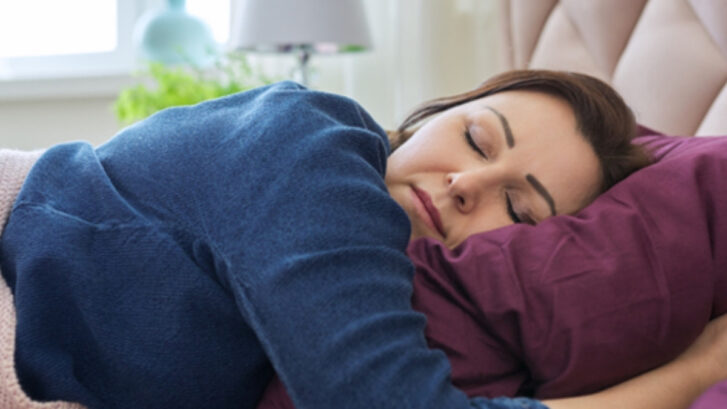
How Weight Affects Sleep Apnea

How Weight Affects Sleep Apnea?

Sleep apnea is a serious sleep disorder that affects millions of people worldwide. It occurs when breathing repeatedly stops and starts during sleep, leading to poor rest, fatigue, and even long-term health complications. One of the most significant risk factors linked to sleep apnea is weight. Understanding the connection between body weight and sleep apnea can help individuals take proactive steps toward better health and improved sleep quality.

The Link Between Weight and Sleep Apnea

Excess weight, especially around the neck and upper body, plays a major role in obstructive sleep apnea (OSA). When fatty tissue builds up in the throat area, it can narrow the airway and make it more likely to collapse during sleep. This obstruction reduces airflow, forcing the body to repeatedly wake up to resume breathing.

Studies show that people who are overweight or obese are more likely to develop sleep apnea compared to those with a healthy body mass index (BMI). In fact, even a modest weight gain can increase the risk, while weight loss often helps reduce the severity of sleep apnea symptoms.

How Excess Weight Impacts Breathing

  1. Airway Narrowing – Extra fat deposits in the throat and tongue can block airflow.
  2. Chest Pressure – Abdominal weight can press against the lungs and diaphragm, making it harder to breathe at night.
  3. Reduced Muscle Tone – Obesity is often linked to decreased muscle tone, which increases the likelihood of airway collapse.
  4. Inflammation – Extra weight is associated with higher levels of inflammation in the body, which may worsen airway swelling and obstruction.

Health Risks of Untreated Sleep Apnea

Leaving sleep apnea untreated not only affects sleep but also raises the risk of severe health problems, including:

  • High blood pressure
  • Type 2 diabetes
  • Heart disease and stroke
  • Chronic fatigue
  • Depression and mood disorders

These risks make it especially important for individuals who are overweight and experiencing sleep problems to seek medical care.

Can Weight Loss Improve Sleep Apnea?

Yes. Weight loss is one of the most effective non-surgical treatments for sleep apnea. Shedding even a small percentage of body weight can reduce fat around the airway, improve breathing, and lessen the number of apnea episodes during the night.

However, weight loss alone may not completely cure sleep apnea. Many patients benefit from a combination of approaches, such as continuous positive airway pressure (CPAP) therapy, oral appliances, or lifestyle adjustments in addition to weight management.

Lifestyle Tips to Reduce Sleep Apnea Symptoms

  1. Maintain a Healthy Weight – Aim for gradual weight loss through a balanced diet and regular exercise.
  2. Sleep on Your Side – Sleeping on your back increases airway collapse, while side sleeping often helps.
  3. Avoid Alcohol and Sedatives – These relax throat muscles and worsen apnea.
  4. Stay Active – Physical activity strengthens respiratory health and aids weight control.
  5. Seek Professional Care – Work with a sleep specialist or dentist trained in sleep apnea treatments.

If you suspect sleep apnea, it’s important to get a proper evaluation. Book an appointment with a trusted provider to discuss your symptoms and explore treatment options.

FAQs

1. Can thin people have sleep apnea, too?
Yes. While excess weight increases the risk, even individuals with a healthy weight can develop sleep apnea due to factors like genetics, airway structure, or age.

2. How much weight loss is needed to see improvement in sleep apnea?
Even a 5–10% reduction in body weight can significantly reduce symptoms, though the exact amount varies by individual.

3. Will surgery help if weight loss doesn’t cure my sleep apnea?
In some cases, surgical procedures to remove excess tissue or correct structural issues can help, but surgery is typically considered after other treatments have been tried.

4. Is CPAP therapy still needed if I lose weight?
Some patients may be able to reduce or stop CPAP therapy after significant weight loss, but this should only be done under medical supervision.

5. Can exercise help even if I don’t lose weight?
Yes. Regular exercise improves lung function, strengthens airway muscles, and enhances sleep quality, even without major weight loss.

Does Sleep Apnea Affect Diabetes

How Does Sleep Apnea Affect Diabetes?

Sleep plays a vital role in maintaining overall health, especially for people managing chronic conditions like diabetes. One condition that often goes undiagnosed but has a significant impact on diabetes is sleep apnea. If you’ve been diagnosed with diabetes or struggle with blood sugar management, understanding how sleep apnea affects your condition can be a game-changer.

The Link Between Sleep Apnea and Diabetes

Research has shown a strong connection between sleep apnea and type 2 diabetes. Here’s how the two conditions interact:

1. Blood Sugar Control

Interrupted sleep due to apnea increases insulin resistance, making it harder for the body to regulate blood sugar levels. This means that people with sleep apnea often experience higher glucose levels, even with proper medication or diet.

2. Inflammation and Stress Hormones

Every pause in breathing is a stressor on the body. The repeated drops in oxygen levels lead to the release of stress hormones like cortisol. Elevated cortisol levels increase inflammation and worsen insulin resistance, further complicating diabetes management.

3. Weight Gain and Obesity

Obesity is a shared risk factor for both conditions. Excess weight can increase the risk of airway obstruction during sleep, while sleep apnea makes it harder to maintain energy levels, often leading to weight gain. Together, these factors create a cycle that makes diabetes harder to control.

4. Increased Risk of Complications

Uncontrolled diabetes can lead to complications such as heart disease, kidney issues, and nerve damage. Sleep apnea worsens these risks by adding extra strain on the cardiovascular system and reducing oxygen supply to vital organs.

Signs You May Have Sleep Apnea

Because sleep apnea happens while you’re asleep, many people don’t realize they have it. Some common signs include:

  • Loud, chronic snoring
  • Gasping or choking during sleep
  • Daytime fatigue and sleepiness
  • Morning headaches
  • Difficulty concentrating

If you’re living with diabetes and notice these symptoms, it may be time to seek professional help.

Why a Dentist Can Help with Sleep Apnea

You may be surprised to learn that a dentist in Snellville can play a major role in sleep apnea care. Many dental professionals are trained to identify signs of airway obstruction and can provide oral appliance therapy. These custom-fitted devices keep your airway open during sleep, improving breathing and helping with better blood sugar control.

If you’re looking for solutions, consider visiting a trusted dental office that offers sleep apnea assessments and treatments. Early intervention can make a significant difference in both your sleep quality and diabetes management.

Benefits of Sleep Apnea Treatment for Diabetes Patients

Treating sleep apnea can positively affect diabetes in many ways:

  • Improved Insulin Sensitivity: Better oxygen flow helps the body respond more effectively to insulin.
  • Better Blood Sugar Control: Continuous, restful sleep helps stabilize glucose levels.
  • More Energy for Physical Activity: Restful nights make it easier to stay active, supporting weight management.
  • Reduced Risk of Complications: Treating apnea lowers the risk of heart disease and other diabetes-related conditions.

Taking the Next Step

If you suspect sleep apnea is affecting your diabetes, the first step is getting a proper diagnosis. A sleep study can confirm whether you have sleep apnea and how severe it is. From there, you can explore solutions ranging from CPAP machines to oral appliances provided by dental professionals.

It’s important not to delay care. Ignoring sleep apnea not only affects your sleep but also worsens diabetes and overall health.

Conclusion

Sleep apnea and diabetes are closely linked, creating a cycle that can be hard to break without treatment. By addressing sleep apnea, you can improve blood sugar control, reduce complications, and enjoy more energy in your daily life.

If you or a loved one in Snellville is struggling with sleep apnea and diabetes, consider reaching out for professional help. Effective sleep apnea treatment in Snellville is available, and with the right care, you can reclaim your health and rest. Don’t wait – book an appointment today and take a step toward better sleep and better diabetes management.

Sleep Apnea Treatment

How Sleep Apnea Impacts Your Daily Life and the Transformative Power of Treatment

Do you often wake up feeling like you haven’t slept at all, even after a full night in bed? Do you struggle with daytime sleepiness, difficulty concentrating, or persistent headaches? These could be more than just signs of a busy life; they might be indicators of sleep apnea, a common yet often undiagnosed sleep disorder that significantly impacts your daily well-being. At Brookwood Dentistry in Snellville, we understand the far-reaching effects of sleep apnea and offer effective treatment options to help you reclaim your days and nights.

The Ripple Effect: Understanding the Daily Toll of Sleep Apnea

Sleep apnea is characterized by repeated pauses in breathing or shallow breaths during sleep. These disruptions, often lasting for seconds or even minutes and occurring numerous times throughout the night, prevent your body from getting the restorative rest it needs. The consequences of this fragmented sleep extend far beyond just feeling tired.

Daytime Drowsiness and Fatigue: The Constant Struggle

One of the most common and debilitating effects of sleep apnea is excessive daytime sleepiness. This isn’t just a mild feeling of tiredness; it can be an overwhelming urge to nap, making it difficult to stay awake during work, while driving, or even during social activities. This chronic fatigue can significantly impact productivity, focus, and overall quality of life.

Cognitive Impairment: Trouble Focusing and Remembering

The lack of restful sleep associated with sleep apnea can also take a toll on your cognitive functions. You might experience difficulty concentrating, memory problems, and impaired decision-making. These cognitive deficits can affect your performance at work or school and make everyday tasks more challenging.

Mood Disturbances: Irritability and Emotional Instability

Sleep deprivation is a well-known contributor to mood swings and irritability. Individuals with untreated sleep apnea often report feeling more anxious, depressed, or easily frustrated. The constant fatigue and cognitive difficulties can further exacerbate these emotional challenges.

Headaches and Other Physical Symptoms

Frequent morning headaches are another common symptom of sleep apnea. These headaches are often attributed to the changes in blood oxygen levels and blood pressure that occur during apneic episodes. Some individuals may also experience dry mouth, sore throat, or chest pain.

Increased Risk of Accidents: A Serious Safety Concern

The excessive daytime sleepiness caused by sleep apnea significantly increases the risk of accidents, particularly while driving. Falling asleep at the wheel can have devastating consequences, highlighting the importance of seeking treatment for this sleep disorder.

Breathing Easier, Living Better: How Sleep Apnea Treatment Transforms Your Days

Fortunately, sleep apnea is a treatable condition, and effective interventions can dramatically improve your sleep quality and alleviate the daytime symptoms. At Brookwood Dentistry, we offer customized sleep apnea treatment options to address your specific needs and help you regain control of your sleep and your life.

Oral Appliance Therapy: A Comfortable and Convenient Solution

For many individuals with mild to moderate obstructive sleep apnea, oral appliance therapy can be an effective treatment option. These custom-made dental devices are designed to shift the lower jaw and tongue forward, opening the airway and preventing the soft tissues at the back of the throat from collapsing during sleep. Oral appliances are comfortable to wear, easy to travel with, and offer a non-invasive alternative to other treatment methods.  

The Benefits of Effective Sleep Apnea Treatment

Undergoing sleep apnea treatment at Brookwood Dentistry can lead to a significant improvement in your daily life:

  • Reduced Daytime Sleepiness: With consistent and uninterrupted sleep, you’ll experience a noticeable decrease in daytime fatigue and drowsiness, allowing you to feel more alert and energetic throughout the day.
  • Improved Concentration and Focus: Restorative sleep enhances cognitive function, making it easier to concentrate, focus, and remember information.
  • Enhanced Mood and Emotional Well-being: Getting enough quality sleep can lead to improved mood regulation, reduced irritability, and a greater sense of emotional stability.
  • Fewer Headaches: Treating sleep apnea can significantly reduce the frequency and intensity of morning headaches.
  • Lower Risk of Accidents: By eliminating excessive daytime sleepiness, treatment can dramatically decrease the risk of accidents related to falling asleep.
  • Improved Overall Health: Addressing sleep apnea can have positive effects on your cardiovascular health and potentially reduce the risk of associated health conditions.

Reclaim Your Days: Explore Sleep Apnea Treatment Options in Snellville

If you suspect you might be suffering from sleep apnea, don’t let the fatigue and other symptoms continue to impact your daily life. The team at Brookwood Dentistry in Snellville is dedicated to helping you achieve restful sleep and improved overall well-being. Contact us today to schedule a consultation and learn more about our effective sleep apnea treatment options. Take the first step towards unmasking the fatigue and reclaiming your days.

Sleep Apnea

How a Sleep Apnea Diagnosis Can Lead to Better Sleep Quality

Sleep apnea is a serious sleep disorder that affects millions of people worldwide. It disrupts breathing during sleep, leading to poor sleep quality and numerous health problems. If you have been diagnosed with sleep apnea, it might feel overwhelming at first, but the good news is that with the right treatment, you can experience better sleep quality and improved overall health. At Brookwood Dentistry in Snellville, we understand the importance of sleep and are here to guide you through how a sleep apnea diagnosis can ultimately lead to a better night’s rest.

What is Sleep Apnea?

Sleep apnea is a condition that causes repeated interruptions in breathing while you sleep. There are two main types of sleep apnea: obstructive sleep apnea (OSA), which occurs when the muscles in the throat relax excessively and block the airway, and central sleep apnea, which happens when the brain fails to send the proper signals to the muscles that control breathing. The most common type is OSA, which is often caused by physical obstructions, such as enlarged tonsils or excess throat tissue.

These interruptions can last for a few seconds to a minute and may occur multiple times during the night. This leads to a decrease in the amount of oxygen your body gets, causing frequent awakenings throughout the night and disrupting your sleep cycle.

How Sleep Apnea Affects Sleep Quality

Sleep apnea can severely affect the quality of your sleep. When your breathing is interrupted, your body wakes up briefly to restore normal breathing, even if you don’t remember it. This fragmented sleep prevents you from reaching the deeper, restorative stages of sleep, leaving you feeling tired and unrested. Some of the common symptoms of sleep apnea include:

  • Loud snoring
  • Frequent waking up during the night
  • Excessive daytime sleepiness
  • Difficulty concentrating
  • Dry mouth or sore throat upon waking
  • Headaches in the morning

If left untreated, sleep apnea can lead to more severe health problems, such as heart disease, high blood pressure, stroke, diabetes, and even depression. That’s why a proper diagnosis and treatment are essential for improving sleep quality and overall health.

How a Sleep Apnea Diagnosis Can Improve Sleep Quality

1. Understanding the Root Cause

One of the biggest advantages of getting a sleep apnea diagnosis is that it helps identify the root cause of your sleep issues. Often, individuals who suffer from sleep apnea don’t realize they have it because they may not be aware of their breathing disruptions while asleep. A diagnosis, typically made through a sleep study, provides clarity and can lead to an effective treatment plan tailored to your specific needs.

At Brookwood Dentistry in Snellville, we offer consultations and can guide you through the diagnostic process, which may involve a home sleep test or a more detailed sleep study at a sleep clinic. Once you understand what is causing your poor sleep, you can take proactive steps toward improving your sleep quality.

2. Implementing Effective Treatment Plans

Once diagnosed, there are several treatment options available that can greatly improve your sleep quality. Depending on the severity and type of sleep apnea treatment options may include:

  • Continuous Positive Airway Pressure (CPAP): This is the most common treatment for moderate to severe sleep apnea. A CPAP machine uses a hose connected to a mask that keeps the airway open by providing a continuous flow of air. While the mask might feel uncomfortable at first, most people find that it significantly improves their sleep quality once they get used to it.
  • Oral Appliances: For mild to moderate cases of obstructive sleep apnea, an oral appliance may be an ideal solution. These devices, which are often used by individuals who cannot tolerate CPAP, reposition the jaw to keep the airway open. We specialize in custom-made oral appliances designed to treat sleep apnea while providing comfort throughout the night.
  • Lifestyle Changes: For some individuals, simple lifestyle modifications, such as weight loss, avoiding alcohol and sedatives, and changing sleep positions, can significantly reduce the severity of sleep apnea.

3. Improving Daytime Functionality and Health

By treating sleep apnea, you’ll likely notice a marked improvement in your daytime functionality. With better sleep, you’ll experience increased energy, better focus, and improved mood. Many people with sleep apnea report feeling more alert and less fatigued during the day after starting treatment. This is not just about getting a full night of rest – it’s about getting quality, uninterrupted sleep that your body needs to repair and rejuvenate.

Additionally, effective treatment of sleep apnea can reduce your risk of developing related health issues such as hypertension, heart disease, stroke, and diabetes. By treating the condition, you’re not only improving your sleep but also investing in your long-term health and well-being.

How Brookwood Dentistry Helps

At Brookwood Dentistry in Snellville, we specialize in diagnosing and treating sleep apnea. Our team is dedicated to helping patients find the right solution for their sleep issues. Whether it’s through oral appliance therapy or helping you navigate other treatment options, we work closely with you to improve your quality of life. Our goal is to ensure that you wake up feeling rested and energized, ready to take on the day.

A sleep apnea diagnosis doesn’t have to be a cause for alarm – it’s an opportunity to improve your sleep and overall health. By understanding the root cause of your sleep disturbances and taking proactive steps to treat sleep apnea, you can enjoy better sleep quality, increased energy, and a healthier life. At Brookwood Dentistry in Snellville, we’re committed to helping you get the restful sleep you deserve. If you suspect you may have sleep apnea or are ready to explore treatment options, contact us today to schedule a consultation. Together, we can work toward a better night’s sleep.