
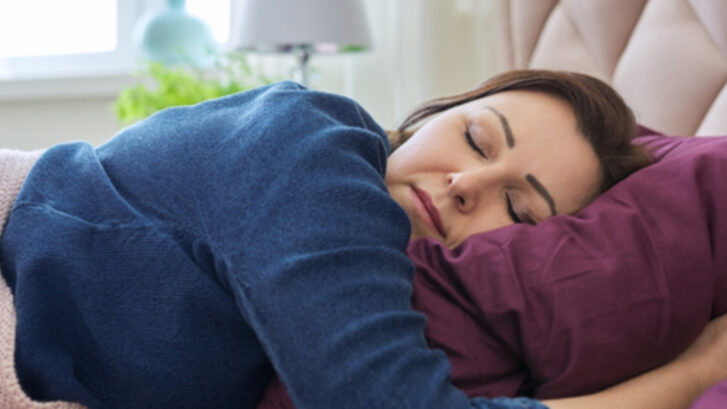
7 Simple Home Remedies for Sleep Apnea
Sleep apnea is a serious sleep disorder where breathing repeatedly stops and starts throughout the night. It can lead to daytime fatigue, irritability, and even health issues such as high blood pressure or heart disease if left untreated. While professional care is often necessary, several natural remedies can help reduce symptoms and improve sleep quality. Here are seven simple home remedies for sleep apnea that you can start today.
1. Maintain a Healthy Weight
Excess weight, especially around the neck, can put pressure on the airway, making it more likely to collapse during sleep. Losing even a small amount of weight can make a noticeable difference in breathing patterns and reduce snoring. Adopting a balanced diet, reducing sugar intake, and engaging in regular physical activity can all support healthy weight management and ease sleep apnea symptoms.
2. Sleep on Your Side
Sleeping on your back can worsen sleep apnea symptoms because it allows the tongue and soft tissues to collapse backward, blocking the airway. Try sleeping on your side instead. If you find it difficult to stay in this position, use a body pillow or place a tennis ball in the back of your pajama top to prevent rolling onto your back. This simple adjustment can significantly reduce snoring and nighttime breathing interruptions.
3. Avoid Alcohol and Sedatives
Alcohol, sedatives, and sleeping pills relax the muscles in the throat, increasing the chances of airway blockage during sleep. Avoid consuming alcohol at least four hours before bedtime, and speak to your doctor before using any medication that causes drowsiness. Reducing or eliminating these substances can improve your sleep quality and help prevent breathing pauses.
4. Practice Good Sleep Hygiene
Establishing a consistent bedtime routine and ensuring you get enough rest can minimize sleep apnea symptoms. Aim to go to bed and wake up at the same time every day, even on weekends. Create a calm environment by keeping your bedroom cool, dark, and quiet. Avoid screen time for at least 30 minutes before bed, and try relaxation techniques such as deep breathing, meditation, or gentle stretching.
5. Use a Humidifier
Dry air can irritate the respiratory system and worsen congestion, making it harder to breathe at night. Using a humidifier in your bedroom adds moisture to the air, keeping your throat and nasal passages open. You can also add a few drops of essential oils like eucalyptus or lavender for additional respiratory benefits and relaxation.
6. Try Breathing Exercises
Strengthening the muscles that control breathing can improve airflow and reduce sleep apnea symptoms. Simple exercises, such as diaphragmatic breathing and throat muscle training, can be effective. For example, practicing yoga breathing (known as “pranayama”) helps improve lung capacity and promotes relaxation, which may help you sleep more soundly.
7. Adjust Your Sleep Position with Elevated Head Support
Raising the head of your bed or using an extra pillow can help keep the airway open. Elevating your head by about 30 degrees prevents the tongue and soft tissues from collapsing into the throat. Adjustable beds or wedge pillows are great tools for maintaining this position comfortably throughout the night.
When to Seek Professional Help
While home remedies can provide relief for mild cases, moderate to severe sleep apnea requires professional intervention. Persistent snoring, choking during sleep, or constant daytime fatigue may indicate that you need a medical evaluation. If you suspect you have sleep apnea, book an appointment with a qualified sleep specialist to explore suitable Sleep Apnea treatment options.
Conclusion
Managing sleep apnea naturally is possible with consistent effort and healthy habits. These home remedies can help you breathe easier and sleep better, but they’re not a substitute for professional care. If symptoms persist or worsen, seek expert advice to ensure proper diagnosis and effective treatment.
FAQs
1. What are the common symptoms of sleep apnea?
Common symptoms include loud snoring, waking up gasping for air, morning headaches, dry mouth, and excessive daytime sleepiness.
2. Can lifestyle changes alone cure sleep apnea?
Lifestyle changes can significantly reduce symptoms in mild cases, but more severe sleep apnea often requires medical treatment such as CPAP therapy or oral appliances.
3. Is snoring always a sign of sleep apnea?
Not always. While many people with sleep apnea snore, not everyone who snores has the condition. Other symptoms, like pauses in breathing and fatigue, help determine the difference.
4. How does weight loss help sleep apnea?
Weight loss reduces pressure on the airway and helps prevent collapse during sleep, improving breathing and reducing apnea episodes.
5. Are there any foods that help improve sleep apnea?
Foods rich in magnesium, antioxidants, and omega-3 fatty acids can promote better sleep quality. Avoid heavy meals, caffeine, and alcohol before bedtime.
6. Can essential oils help with sleep apnea?
Essential oils like eucalyptus, peppermint, or lavender can ease breathing and relaxation, especially when used in a humidifier or diffuser.
7. How is sleep apnea diagnosed?
Sleep apnea is diagnosed through a sleep study (polysomnography), which monitors your breathing, heart rate, and oxygen levels overnight.