Please ensure Javascript is enabled for purposes of website accessibility

Category Archives: Oral Health

White Marks on My Teeth

Why Have I Got White Marks on My Teeth?

White marks on teeth, often referred to as white spot lesions or white spots, are a common dental concern that affects people of all ages. These chalky-white or opaque areas can appear on the surface of your teeth and may make you feel self-conscious about your smile. If you’ve recently noticed these unwanted marks, you’re not alone. Understanding what causes them and what you can do about them is the first step toward restoring your confidence and achieving a brighter smile. The good news is that there are several effective solutions available, and with proper knowledge and professional guidance, these marks can be prevented and treated.

Understanding White Spots: What Are They?

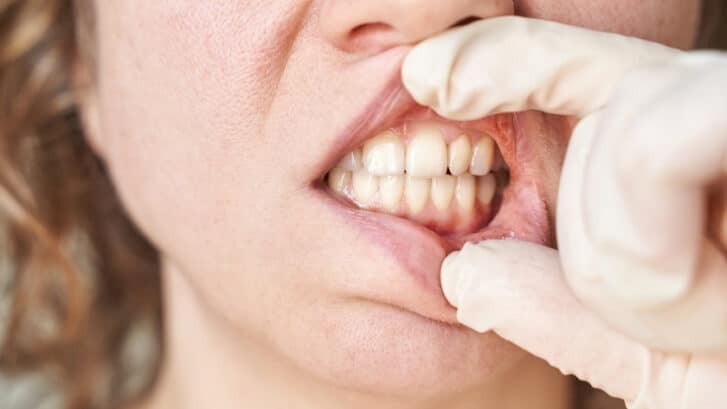
White spots on your teeth are areas where the enamel has become demineralized or eroded, resulting in a chalky-white appearance that differs from the natural color of your teeth. These spots typically develop when minerals like calcium and phosphorus are stripped away from your tooth enamel, creating subsurface porosity that reflects light differently than surrounding healthy enamel. They usually appear first on the front teeth, particularly the central incisors, which can be especially noticeable when you smile.

Unlike cavities, which involve structural damage to the tooth, white spots are primarily a cosmetic concern, though they may indicate that the early stages of tooth decay have begun. However, it’s important to address them promptly, as they can progress into more serious dental problems if left untreated. The severity and appearance of white spots can vary significantly—some may be barely noticeable, appearing as small, opaque areas, while others cover a larger portion of the tooth surface.

The Main Causes of White Spots on Teeth

Fluorosis

Fluorosis is one of the most common causes of white spots, particularly in children. This condition occurs when a person is exposed to excessive fluoride during tooth development, which is typically before the age of eight. While fluoride is essential for preventing tooth decay, too much of it can cause white marks to develop. Excessive fluoride exposure can come from multiple sources, including fluoridated tap water, swallowing fluoride-containing toothpaste, and fluoride supplements.

According to dental research, approximately 25% of the US population experiences some degree of dental fluorosis. The “very mild” form is most common and appears as small, opaque areas covering less than 25% of the tooth surface. In mild cases, mottled patches may involve up to half of the tooth surface area.

Demineralization and Decalcification

Demineralization or decalcification is another primary cause of white spots, particularly in adults and teenagers. This process occurs when bacteria in your mouth produce acids that eat away at the calcium and phosphorus in your tooth enamel. When plaque builds up on your teeth due to poor oral hygiene, the highly acidic environment creates conditions that cause mineral loss from the enamel.

This type of white spot is particularly common in patients who have recently completed orthodontic treatment with braces. The brackets and wires make it challenging to clean teeth properly, allowing plaque to accumulate in hard-to-reach areas. Once the braces are removed, these demineralized areas appear as white spots where the enamel has been weakened.

Enamel Hypoplasia

Enamel hypoplasia, sometimes called Turner’s tooth, is a developmental condition where teeth have less enamel than normal or the enamel quality is compromised. This condition results from various factors, including malnutrition, high fever during illness, premature birth, smoking during pregnancy, certain medications, or trauma to the tooth. People with enamel hypoplasia may experience increased sensitivity and have a higher risk of decay in the affected areas.

Dietary Factors

Your diet plays a significant role in white spot formation. Consuming excessive amounts of acidic and sugary foods can weaken your tooth enamel and contribute to white spot development. Highly acidic beverages such as sodas, energy drinks, citrus juices, and sports drinks can erode enamel, increasing the risk of demineralization. Additionally, a diet low in calcium predisposes your teeth to white spots, as calcium is essential for maintaining strong enamel.

Treatment Options Available

If you already have white spots on your teeth, several professional treatment options can help restore your smile. Understanding these options will help you make an informed decision with your local dentist about which approach is best for your situation.

ICON Resin Infiltration

One of the most innovative and minimally invasive treatments available today is ICON (resin infiltration). This ADA-approved micro-invasive procedure can eliminate white spots in as little as 15-30 minutes without drilling or pain. The treatment works by opening the pores of tooth enamel through a specialized etching process, then infiltrating a tooth-colored resin into the white spot lesion. The resin perfectly matches your natural tooth color and hardens under a special light, effectively masking the white spot and preventing future decay.

Microabrasion and Teeth Whitening

Enamel microabrasion involves removing a very thin layer of enamel to minimize the appearance of white spots. This procedure is often followed by professional teeth whitening to make the teeth appear more uniform in color. This combination approach can be highly effective for superficial white spots.

Dental Veneers and Composite Resin

For more extensive white spots or those resistant to other treatments, dental veneers or composite resin restorations may be recommended. Veneers are thin, protective coverings that attach to the front surface of your teeth and effectively conceal white spots and other blemishes. While more costly than other options, veneers provide excellent cosmetic results.

Fluoride Treatments

For people with enamel hypoplasia, applying topical fluoride can help strengthen the enamel and prevent further decay. Your dentist may apply professional-strength fluoride gel to encourage enamel development and support remineralization.

Prevention Strategies

Preventing white spots is far easier than treating them, so it’s important to adopt good habits now. Start by practicing excellent oral hygiene—brush your teeth at least twice daily for two minutes using circular motions, and floss daily. Pay special attention to your gum line, positioning your toothbrush at a 45-degree angle.

Limit your consumption of acidic and sugary foods and beverages, as these are the primary culprits in enamel erosion. Drink plenty of water throughout the day to stimulate saliva production, which plays a crucial role in remineralizing tooth enamel. If you have children, ensure they don’t swallow fluoride toothpaste and monitor their fluoride intake from other sources. Visit our dental office, book an appointment to discuss your fluoride use with your dentist, especially if you live in an area with naturally fluoridated water.

​Conclusion

White marks on your teeth don’t have to be a permanent part of your smile. Whether your white spots are caused by fluorosis, demineralization, or enamel hypoplasia, professional treatment options are available to restore your confidence. By understanding the causes and taking preventive measures, you can protect your teeth from future white spots. If you already have white spots, modern treatments like ICON resin infiltration offer quick, painless solutions that produce excellent cosmetic results. Remember, the best time to address dental concerns is now—don’t let white spots hold you back from showing off your beautiful smile.

Frequently Asked Questions

Q1: Are white spots on teeth a sign of tooth decay?
White spots from demineralization may indicate that early-stage tooth decay has begun, but not all white spots indicate cavities. Fluorosis and enamel hypoplasia cause white spots without cavity formation. However, demineralized white spots should be addressed promptly to prevent progression to actual cavities.

Q2: Can white spots on teeth go away on their own?
While some extremely mild white spots may fade over time, most persist without professional intervention. Treatment is typically necessary to completely remove white spots or significantly improve their appearance. Early detection and treatment typically yield better results.

Q3: Is it safe to remove white spots at home?
While several natural remedies like oil pulling, apple cider vinegar, and dairy products may support overall oral health, they are not effective at removing established white spots. Professional dental treatment is necessary for actual white spot removal. Attempting to remove white spots yourself could cause additional damage to your enamel.

Q4: How long does ICON treatment take?
ICON resin infiltration is a quick procedure that typically takes only 45 minutes to one hour from consultation to completion. Most patients can have their white spots treated in a single appointment without any drilling or anesthesia. The results are immediate and the treatment is completely painless.

Q5: How can I prevent white spots after getting my braces removed?
To prevent white spots after braces, maintain excellent oral hygiene throughout your orthodontic treatment by brushing thoroughly after every meal and flossing daily. Avoid sticky and acidic foods that can trap bacteria around brackets. After braces are removed, continue excellent oral hygiene and visit your dentist regularly for professional cleanings and check-ups.

Causes of Bad Breath

Common Causes of Bad Breath You Should Know

Bad breath, or halitosis, sneaks up on everyone at some point. That lingering, unpleasant odor can dent your confidence during conversations, dates, or even work meetings. If you’re in Snellville and dealing with persistent bad breath, you’re not alone – it’s one of the top reasons patients visit Brookwood Dentistry. Beyond the obvious mint-munching fix, the root issues often tie back to oral health, diet, and lifestyle. In this post, we’ll break down the main triggers, backed by dental insights, and share tips to freshen up for good.

Your mouth hosts over 700 types of bacteria, and when they break down food particles, they release volatile sulfur compounds (VSCs) – the smelly gases behind bad breath. Poor oral hygiene tops the list. Skipping brushing or flossing lets plaque and tartar build up on teeth and gums, creating a breeding ground for odor-causing bacteria.

Food debris trapped between teeth ferments, producing foul smells. Dry mouth, or xerostomia, worsens it by reducing saliva’s natural cleansing action. Saliva washes away bacteria and neutralizes acids, so conditions like mouth breathing (common in Snellville’s humid climate) or medications can dry it out fast.

Gum disease, like gingivitis or periodontitis, is a sneaky culprit. Inflamed gums harbor bacteria deep in pockets, leading to chronic halitosis. At Brookwood Dentistry in Snellville, we see this often in patients who delay checkups – early detection with professional cleanings can reverse it.

Dietary and Lifestyle Triggers

What you eat plays a huge role. Garlic, onions, and spicy foods contain sulfur compounds that enter your bloodstream and are exhaled through your lungs, lingering for hours. Coffee, alcohol, and high-protein diets (think keto trends) fuel bacteria growth by providing amino acids they metabolize into VSCs.

Smoking or tobacco use dries the mouth and stains teeth, trapping odors. Acidic drinks like soda erode enamel, exposing more surface for bacteria. Even fasting or low-carb eating reduces saliva flow, amplifying smells.

Dehydration is another silent killer – Snellville locals, with our active outdoor lifestyles, often overlook sipping water throughout the day. Aim for 8 glasses to keep saliva flowing.

Medical Conditions Linked to Bad Breath

Sometimes, bad breath signals deeper health issues. Sinus infections or post-nasal drip flood your throat with mucus, breeding bacteria. Respiratory problems like bronchitis or tonsil stones (calcified debris in tonsil crevices) trap particles and stink.

Digestive woes, such as acid reflux (GERD) or H. pylori bacterial overgrowth in the stomach, push odors up from below. Diabetes can cause a fruity or acetone-like breath due to ketones from poor blood sugar control. Liver or kidney disease alters breath uniquely – metallic or ammonia-like.

Rarely, it’s oral cancers or infections like abscesses. If home remedies fail, Brookwood Dentistry recommends a full exam to rule these out.

When Bad Breath Isn’t Just “Morning Breath”

Everyone wakes up with some halitosis from reduced saliva overnight. But persistent cases warrant attention. Notice if it’s constant, worsens after meals, or accompanies symptoms like bleeding gums, white tongue coating, or metallic taste. Track patterns: Does it spike post-coffee or with certain foods?

Self-test by licking your wrist, letting it dry, and sniffing – it’s a decent bacteria proxy. Or ask a trusted friend for honest feedback.

Prevention Tips from Snellville’s Brookwood Dentistry

Fight back with daily habits:

  • Brush and floss twice daily: Use fluoride toothpaste and a soft brush for two minutes. Floss to dislodge interdental food.
  • Scrape your tongue: Bacteria love the tongue’s rough surface – use a scraper or toothbrush back.
  • Stay hydrated and chew sugar-free gum: Xylitol gum boosts saliva.
  • Diet tweaks: Limit garlic/onions, rinse after meals, and eat crunchy fruits/veggies like apples for natural scrubbing.
  • Quit tobacco: Seek support – fresher breath is a quick win.
  • Regular dental visits: Brookwood Dentistry in Snellville offers cleanings every six months to zap tartar.

Check our reviews from Snellville patients who’ve banished bad breath – many rave about our gentle, effective care.

Bad breath doesn’t have to linger – simple changes and proper care from Brookwood Dentistry make a difference. Book an appointment today for a Snellville smile that shines.

Frequently Asked Questions

1. What is the main cause of bad breath?
Poor oral hygiene leads to bacterial buildup, producing sulfur gases. Food particles, dry mouth, and plaque on teeth/gums create ideal conditions for odor. Regular brushing, flossing, and dental checkups prevent most cases effectively.

2. Can diet cause persistent bad breath?
Yes, sulfur-rich foods like garlic, onions, and spices release compounds into the blood and lungs. High-protein diets feed bacteria, while coffee/alcohol dries the mouth. Balance meals with water and greens to minimize effects naturally.

3. Does dry mouth always cause bad breath?
Dry mouth reduces saliva, which normally cleans bacteria and food debris. Mouth breathing, meds, or dehydration worsen it. Chew gum or use rinses to stimulate flow and combat halitosis effectively.

4. Is bad breath a sign of gum disease?
Often, yes – gingivitis or periodontitis creates bacterial pockets in the gums, causing chronic odors. Red, swollen gums and bleeding signal issues. Professional cleanings and good hygiene halt progression early.

5. How does smoking contribute to bad breath?
Tobacco dries the mouth, stains teeth, and promotes bacterial growth in plaque. Chemicals linger, intensifying smells. Quitting improves saliva flow and oral health quickly for fresher breath.

6. Can medical conditions cause bad breath?
Sinus infections, GERD, diabetes, or liver issues alter breath via mucus, acids, or ketones. Tonsil stones trap debris, too. Consult a dentist to identify and address underlying health factors.

7. How can I test for bad breath at home?
Lick your wrist, let saliva dry for 10 seconds, then smell – it mirrors mouth bacteria. Spoon test: Scrape tongue back, smell residue. Note patterns and seek dental evaluation if persistent.

Causes Gum Recession

How to Stop Gum Recession: Proven Tips from Brookwood Dentistry in Snellville

Gum recession affects millions, exposing tooth roots and risking sensitivity, decay, and even tooth loss. If you’re in Snellville and noticing your gums pulling away from your teeth, you’re not alone. At Brookwood Dentistry, we see this common issue daily among locals. The good news? Early action can halt progression and protect your smile. This guide breaks down causes, prevention, and treatments to stop gum recession effectively.

What Is Gum Recession and Why Does It Happen?

Gum recession occurs when gum tissue wears away or pulls back, revealing the tooth’s root. This creates “long-in-the-tooth” appearances and heightens risks like root cavities or infection.

Common culprits include:

  • Aggressive brushing: Scrubbing too hard with a stiff brush erodes enamel and gums.
  • Periodontal disease: Bacterial buildup (plaque and tartar) inflames gums, causing them to recede.
  • Genetics: Some people inherit thin gums prone to recession.
  • Hormonal changes: Pregnancy, menopause, or puberty can weaken gum attachment.
  • Tobacco use: Smoking restricts blood flow, impairing healing.
  • Grinding teeth (bruxism): Clenching erodes supporting structures.
  • Poor oral hygiene: Skipping flossing lets bacteria thrive.

In Snellville’s active community, habits like sports injuries or piercings also contribute. Spotting signs early – sensitive teeth, longer-looking teeth, or gum inflammation – lets you act fast.

Everyday Habits to Stop Gum Recession in Its Tracks

Preventing further recession starts at home. Adopt these dentist-recommended changes for stronger gums.

Switch to a soft-bristled toothbrush and use gentle, circular motions. Avoid horizontal sawing, which strips gum tissue. Brookwood Dentistry patients in Snellville often see improvement just from this tweak.

Floss daily and use an antimicrobial mouthwash to banish plaque. Tools like water flossers work wonders for hard-to-reach spots.

Eat a gum-friendly diet rich in vitamin C (citrus, berries), vitamin D (fatty fish, eggs), and calcium (dairy, greens). These nutrients bolster collagen and bone health. Cut back on sugary snacks that feed bacteria.

Quit smoking – it’s a top recession accelerator. Snellville locals aiming to kick the habit can lean on local resources for support.

Manage grinding with a custom nightguard. If stress fuels clenching, mindfulness or therapy helps too.

Professional Treatments to Reverse and Halt Gum Recession

When home care isn’t enough, Snellville’s Brookwood Dentistry offers targeted solutions. We assess your case with exams and X-rays to tailor plans.

Scaling and root planing deep-cleans below the gumline, removing tartar and smoothing roots for reattachment. It’s a non-surgical first step many patients rave about.

For a moderate recession, the pinhole surgical technique repositions gums without cutting. A tiny entry point lets us slide tissue over roots – minimally invasive with quick recovery.

Gum grafts use tissue from your palate or donor sources to cover exposed roots. This gold-standard fix restores protection and aesthetics.

Laser therapy precisely removes infected tissue and bacteria, promoting regeneration with less pain and bleeding.

Emerging options like emdogain (a protein gel) stimulate root regrowth. We combine these with sealants to shield roots from sensitivity.

Check our reviews to hear how Snellville patients regained confidence post-treatment.

Lifestyle Tweaks for Long-Term Gum Health in Snellville

Beyond brushing, align habits with Snellville’s lifestyle. Runners and athletes: Wear mouthguards during sports to prevent trauma-induced recession.

Stay hydrated – dry mouth breeds bacteria. Chew sugar-free gum with xylitol post-meals to boost saliva.

Monitor piercings; oral ones irritate gums. If you have them, opt for biocompatible materials and clean rigorously.

Regular dental visits (every 6 months) catch issues early. Brookwood Dentistry’s Snellville team uses advanced tools for proactive care.

When to See a Dentist for Gum Recession

Don’t wait for pain. See a pro if gums bleed, recede visibly, or teeth feel loose. Early intervention prevents costly fixes.

In Snellville, book an appointment at Brookwood Dentistry for personalized advice. We prioritize gentle, effective care.

Frequently Asked Questions

1. Can gum recession be reversed naturally?
Mild cases may stabilize with improved hygiene, soft brushing, and a nutrient-rich diet high in vitamins C and D. However, advanced recession often needs professional help for true reversal, as natural regrowth is limited without intervention.

2. How long does it take for gums to recede?
Recession progresses slowly over months to years, depending on factors like brushing habits or gum disease. Aggressive brushing might show changes in 6-12 months, while untreated periodontitis accelerates it to visible loss in 1-2 years.

3. Is gum recession painful?
Early stages are often painless, causing only sensitivity to hot/cold. Advanced recession may bring soreness, inflammation, or throbbing if roots decay or infection sets in, prompting the need for prompt dental evaluation.

4. Does gum recession affect all ages?
It impacts adults most (over 40), but young people with genetics, piercings, or poor hygiene can develop it earlier. Periodontal disease speeds it across ages, making prevention key from adolescence onward.

5. Can electric toothbrushes cause gum recession?
No, when used correctly with soft heads and gentle pressure. They remove plaque better than manuals, reducing recession risk. Issues arise from excessive force – use timers and sensors to avoid over-brushing.

6. What foods help prevent gum recession?
Focus on vitamin C sources like oranges, strawberries, and bell peppers for collagen; calcium-rich yogurt and leafy greens for bone support; and omega-3s in salmon to fight inflammation. Limit sugars to starve bacteria.

7. How effective are gum grafts for stopping recession?
Highly effective, with 85-90% success rates in covering roots and halting progression. They restore gumline aesthetics and protection, especially for moderate-to-severe cases, with lasting results under good oral care.

Causes of Bone Loss in Teeth

What Causes Bone Loss in Teeth?

Bone loss in teeth, medically known as alveolar bone resorption, happens when the jawbone that supports your teeth starts to deteriorate. This isn’t just a minor issue – it’s a silent thief that can lead to loose teeth, shifting bites, and even tooth loss. If you’re in Snellville and noticing gum recession or wobbly teeth, understanding the causes is your first step toward protection.

At Brookwood Dentistry, we see this problem frequently among patients in Snellville, where busy lifestyles can overlook oral health. The good news? Early detection and targeted treatments can halt or reverse it. Let’s dive into the main culprits behind bone loss, backed by dental science, so you can safeguard your smile.

Periodontal Disease: The Leading Offender

The top cause of bone loss around teeth is periodontal disease, often starting as gingivitis and progressing to periodontitis. Harmful bacteria in plaque buildup irritate gums, causing inflammation. Over time, this triggers enzymes that break down the bone holding teeth in place.

Studies from the American Academy of Periodontology show that untreated periodontitis affects nearly 50% of adults over 30, with bone loss accelerating after age 40. In Snellville’s humid climate, plaque thrives if brushing and flossing skip a beat. Symptoms include bleeding gums, bad breath, and pockets deeper than 4mm between teeth and gums – red flags we check during routine exams at Brookwood Dentistry.

Without intervention, bacteria burrow deeper, dissolving bone like acid on metal. Scaling and root planing, or laser therapy, can stop this progression early.

Tooth Loss and the Domino Effect

Losing a tooth doesn’t just leave a gap; it kickstarts rapid bone loss. The alveolar bone relies on tooth roots for stimulation during chewing. Without that pressure, the bone resorbs at up to 25% per year in the first months post-extraction, per research in the Journal of Oral Implantology.

This creates a “use it or lose it” scenario. In Snellville families, we often treat patients who’ve delayed replacements, leading to sunken cheeks and bite collapse. Dental implants from practices like Brookwood Dentistry mimic natural roots, preserving bone by providing that essential stimulus.

Hormones play a sneaky role in bone health. Women in menopause experience estrogen drops, which regulate bone density. This can thin jawbone, making teeth unstable. Men aren’t immune – testosterone decline with age has similar effects.

Osteoporosis, affecting 10 million Americans, compounds this. Bisphosphonate medications for osteoporosis can paradoxically cause jawbone necrosis (osteonecrosis), especially post-extractions. Snellville residents managing these conditions should prioritize bone-density scans alongside dental checkups to catch issues early.

Lifestyle Factors That Accelerate Bone Erosion

Smoking and tobacco use constrict blood vessels, starving gums and bone of oxygen and nutrients. Smokers face 2-6 times higher periodontitis risk, with bone loss twice as severe.

Poor nutrition starves bones, too. Deficiencies in calcium, vitamin D, and C weaken the matrix. Sugary diets feed bacteria, while clenching or grinding (bruxism) applies excessive force, fracturing bone microstructurally.

Medical conditions like diabetes impair healing, doubling bone loss rates. In Snellville’s diverse community, we educate patients on these links during consultations.

Trauma, Misaligned Bites, and Orthodontic Oversights

Physical trauma from sports, accidents, or habits like pen-chewing can fracture bone directly. Even subtle issues like malocclusion (poor bite alignment) distribute uneven forces, eroding bone unevenly over the years.

Improper orthodontics or ill-fitting prosthetics exacerbate this. For Snellville active lifestyles, custom night guards prevent grinding damage.

Genetics and Aging: Unavoidable but Manageable

Some inherit thin-bone or aggressive periodontitis genes. Aging naturally slows bone regeneration – by age 50, resorption rates climb. But proactive care, like those fluoride treatments and bone grafts at Brookwood Dentistry, bridges the gap.

Prevention and Treatment Strategies

Armed with knowledge, prevention is straightforward:

  • Brush twice daily with fluoride toothpaste; floss nightly.
  • Quit smoking – resources abound in Snellville.
  • Eat bone-boosting foods: dairy, leafy greens, fatty fish.
  • Schedule biannual cleanings to monitor bone levels via X-rays.

Treatments range from deep cleanings to regenerative procedures like guided tissue regeneration or PRP therapy, which harness your blood’s growth factors.

Check our reviews to see how Snellville patients rave about our bone-preserving care.

Frequently Asked Questions (FAQs)

1. How quickly does bone loss occur after tooth extraction?
Bone loss begins immediately, resorbing up to 40-60% of the socket volume in the first two years without intervention. Implants or bridges placed soon after extraction help maintain structure by stimulating the bone. Regular X-rays track this.

2. Can bone loss in teeth be reversed?
Yes, early stages can regenerate with treatments like scaling, bone grafts, or proteins that promote growth. Advanced loss may need implants. Professional evaluation determines the feasibility based on your health and bone quality.

3. Does smoking directly cause bone loss around teeth?
Smoking restricts blood flow, impairs healing, and boosts infection risk, leading to faster bone resorption in periodontitis cases. Quitting improves outcomes significantly within months, enhancing gum and bone recovery.

4. Is bone loss around teeth linked to osteoporosis?
Yes, both involve reduced bone density; osteoporosis medications can sometimes trigger jaw issues. Dentists coordinate with physicians for safe management, including alternative drugs or pre-treatment protocols.

5. What role does diabetes play in dental bone loss?
Diabetes causes inflammation and poor healing, accelerating periodontitis and bone breakdown. Controlled blood sugar levels reduce risk by 30-50%; regular dental monitoring is key for diabetic patients.

6. Can teeth grinding contribute to bone loss?
Yes, bruxism exerts excessive force, wearing down bone over time. Night guards redistribute pressure, preventing erosion. Custom-fitted ones from dentists offer the best protection during sleep.

7. How often should I get checkups to prevent bone loss?
Twice yearly for most, or more if at risk (e.g., smokers, diabetics). X-rays every 1-3 years detect bone changes early, allowing timely intervention before significant loss occurs.

Causes An Abscessed Tooth

What Causes An Abscessed Tooth?

An abscessed tooth is a serious dental condition that develops when a bacterial infection forms a pocket of pus in or around the tooth. This issue not only causes discomfort but can also lead to significant oral and overall health complications if left untreated. Understanding the causes, symptoms, and available treatments can help you take timely action and protect your smile.

At Brookwood Dentistry in Snellville, GA, patients receive expert care for infections like this, ensuring both relief and long-term dental health. If you suspect a problem, you can also call (770) 338-6845 for guidance.

What Leads to an Abscessed Tooth?

An abscess typically forms when bacteria enter the inner pulp of the tooth. This pulp contains nerves, blood vessels, and connective tissue. Once infected, the body’s immune response leads to pus buildup, creating pressure and pain.

1. Untreated Tooth Decay

One of the most common causes of a tooth abscess is untreated cavities. When decay penetrates deep into the tooth, it exposes the pulp to harmful bacteria, leading to infection.

2. Gum Disease (Periodontal Disease)

Advanced gum disease can create pockets between the teeth and gums. These pockets become breeding grounds for bacteria, eventually causing an abscess in the surrounding tissues.

3. Cracked or Damaged Teeth

A chipped or cracked tooth allows bacteria to seep inside, even if the damage appears minor. Without proper treatment, infection can spread and form an abscess.

4. Poor Oral Hygiene

Inconsistent brushing and flossing can lead to plaque buildup, cavities, and gum disease—key contributors to abscess formation.

5. Weakened Immune System

Certain medical conditions or medications can lower your body’s ability to fight infections, increasing the risk of developing an abscess.

Recognizing the Symptoms

An abscess often brings noticeable discomfort, but symptoms can vary depending on severity and location.

Common Signs Include:

  • Persistent, throbbing toothache
  • Sensitivity to hot and cold
  • Swelling in the face or cheek
  • Tender or swollen gums
  • Bad taste in the mouth
  • Fever or general discomfort

If you notice abscess symptoms such as sharp pain or swelling, it’s important to seek dental care immediately.

Types of Dental Abscesses

Understanding the type of abscess can help determine the right treatment approach.

Periapical Abscess

Forms at the tip of the tooth root, usually caused by untreated decay or trauma.

Periodontal Abscess

Occurs in the gums next to the tooth root, often due to gum disease.

Gingival Abscess

Develops in the gum tissue without affecting the tooth or supporting structures directly.

Why Immediate Treatment Matters

Ignoring an abscess can lead to serious complications. The infection can spread to nearby tissues, the jawbone, or even other parts of the body. In severe cases, it may become life-threatening.

If you’re experiencing abscess in mouth symptoms, early intervention is key to preventing further damage and discomfort.

Treatment Options for an Abscessed Tooth

Dentists use several methods to eliminate infection and restore oral health. The right dental abscess treatment depends on the severity and location of the infection.

1. Draining the Abscess

The dentist may make a small incision to release pus and reduce pressure.

2. Root Canal Therapy

This procedure removes the infected pulp, cleans the inside of the tooth, and seals it to prevent reinfection.

3. Tooth Extraction

If the tooth is too damaged to save, removal may be necessary to stop the infection from spreading.

4. Antibiotics

In some cases, antibiotics are prescribed to control bacterial infection, especially if it has spread.

At Brookwood Dentistry, patients benefit from advanced techniques designed to treat infections efficiently and comfortably.

When to See a Dentist

Any persistent tooth pain or swelling should never be ignored. Prompt care can prevent complications and save your tooth. If you’re unsure about your symptoms or need immediate help, contact a trusted dental professional in Snellville, GA at (770) 338-6845.

You can also check our reviews to learn more about patient experiences and quality care.

Conclusion

An abscessed tooth is more than just a painful inconvenience – it’s a sign of infection that requires professional attention. From untreated decay to gum disease, several factors can lead to this condition. Recognizing symptoms early and seeking timely treatment can make all the difference in preserving your oral health.

If you’re dealing with discomfort or suspect an issue, don’t wait – book an appointment to receive a proper diagnosis and care before the problem worsens.

Frequently Asked Questions

  1. What is an abscessed tooth?

An abscessed tooth is a bacterial infection that creates a pocket of pus inside the tooth or gums. It often results from untreated decay, injury, or gum disease and can cause pain and swelling.

  1. Can an abscess go away on its own?

No, an abscess will not heal without treatment. The infection may temporarily feel better if it drains, but bacteria remain and can spread, leading to more serious complications.

  1. Is a dental abscess painful?

Yes, most abscesses cause severe, throbbing pain. Some may also cause swelling, sensitivity, and discomfort when chewing, depending on the severity of the infection.

  1. How long can an abscessed tooth last?

An abscess can persist for weeks or months if untreated. However, delaying care increases the risk of the infection spreading to other parts of the body.

  1. Can antibiotics cure an abscess?

Antibiotics may control the infection temporarily, but they do not eliminate the source. Dental procedures like root canals or drainage are usually required for full treatment.

  1. What happens if an abscess bursts?

If an abscess bursts, you may feel relief from pressure and pain. However, the infection is still present and requires professional treatment to prevent further complications.

  1. How can I prevent a tooth abscess?

Good oral hygiene, regular dental visits, and early treatment of cavities or gum issues can help prevent abscess formation and maintain overall dental health.

Wisdom Teeth Take to Heal

How Long Does Wisdom Teeth Take to Heal?

Wisdom teeth removal is one of the most common dental procedures. While the surgery itself usually takes less than an hour, many patients want to know how long the healing process will take. Understanding the recovery timeline can help you plan your schedule, manage discomfort, and avoid complications.

At Brookwood Dentistry, we guide patients through every stage of healing so they feel confident and comfortable after their procedure.

What Is the Typical Healing Timeline?

Healing after wisdom tooth removal happens in stages. Everyone heals at a different pace, but here is a general timeline most patients experience:

First 24 Hours

  • Mild bleeding and swelling are normal
  • Gauze is placed to control bleeding
  • Blood clots form in the extraction sites
  • Rest is strongly recommended

Days 2–3

  • Swelling usually peaks
  • Mild discomfort or jaw stiffness may occur
  • You should continue eating soft foods

Days 4–7

  • Swelling begins to decrease
  • Pain significantly improves
  • Many patients return to work or school

Week 2

  • Gum tissue continues closing
  • Minor tenderness may still be present

3–4 Weeks

  • Gum tissue mostly heals
  • Deeper bone healing continues beneath the surface

Complete internal bone healing can take a few months, but most people feel normal within one to two weeks.

Wisdom Teeth Removal Recovery Time

The overall wisdom tooth removal recovery time depends on several factors:

  • Whether the teeth were impacted
  • Number of teeth removed
  • Your overall health
  • How well are aftercare instructions followed

If your teeth were fully erupted and easy to remove, healing is typically faster. Impacted teeth or surgical extractions may require more time.

Wisdom Tooth Removal Recovery: What to Expect

During wisdom tooth removal recovery, it’s common to notice:

  • Swelling in the cheeks
  • Mild bruising
  • Limited jaw movement
  • Slight oozing of blood

These symptoms usually improve within the first week. Following your dentist’s instructions is key to avoiding complications like infection or dry socket.

Wisdom Tooth Extraction Recovery Tips

Proper care helps speed up wisdom tooth extraction recovery. Here are some helpful tips:

1. Protect the Blood Clot

Do not use straws, spit forcefully, or smoke for at least 72 hours. These actions can dislodge the clot and cause dry socket.

2. Manage Swelling

Apply an ice pack for 15–20 minutes at a time during the first 24 hours.

3. Eat Soft Foods

Stick to foods like yogurt, mashed potatoes, smoothies (without straws), soup, and scrambled eggs.

4. Maintain Gentle Oral Hygiene

Avoid brushing near the surgical site for the first day. After 24 hours, rinse gently with warm salt water.

5. Take Prescribed Medications

Use pain relievers or antibiotics exactly as directed.

When Should You Be Concerned?

Contact your dentist if you experience:

  • Severe pain after 3–4 days
  • Persistent bleeding
  • High fever
  • Foul taste or odor
  • Swelling that worsens instead of improving

These symptoms may indicate infection or dry socket and require professional care.

How to Speed Up Healing

While you cannot dramatically shorten healing time, you can support faster recovery by:

  • Getting enough rest
  • Staying hydrated
  • Avoiding strenuous exercise for a few days
  • Eating nutritious foods
  • Following all post-operative instructions

Healing is a natural process, and giving your body time is essential.

Personalized Care Matters

Every patient’s situation is different. At Brookwood Dentistry, we evaluate your specific case and provide customized aftercare instructions to ensure smooth healing.

If you’re planning your procedure or have questions about recovery, Visit Our Dental Office for expert guidance. You can also call (470) 410-5932 to schedule a consultation.

Frequently Asked Question

  1. How many days does it take to feel normal after wisdom teeth removal?

Most patients feel significantly better within 3 to 7 days. Minor tenderness can last up to two weeks, especially if the extraction was surgical or involved impacted teeth.

  1. When can I eat solid food again?

Soft foods are recommended for the first few days. You can slowly return to normal foods after about one week, depending on your comfort level and healing progress.

  1. How long does swelling last after removal?

Swelling typically peaks within 48 to 72 hours and gradually reduces over the next few days. Applying ice during the first day helps control inflammation.

  1. What is dry socket, and when can it happen?

Dry socket occurs when the protective blood clot becomes dislodged. It usually develops 3 to 5 days after extraction and causes severe pain that requires treatment.

  1. When can I brush my teeth normally?

You can resume gentle brushing the day after surgery, but avoid the extraction area for several days to prevent irritation.

  1. How long does complete healing take?

Surface gum healing usually takes 1 to 2 weeks. However, deeper bone healing may take several months, even though you won’t feel discomfort during that time.

Benefits of Using Vaseline on Your Teeth

Surprising Benefits of Using Vaseline on Your Teeth

When people think about improving their smile in Snellville, they often imagine whitening kits, professional cleanings, or cosmetic treatments. However, a simple household product like Vaseline sometimes becomes part of online smile tips and beauty hacks. While Vaseline is not a dental treatment, it has a few interesting and surprising uses related to your smile and comfort.

Before trying any home remedy, it is always wise to understand how it works and how it affects your Oral health. Let’s explore the possible benefits, limitations, and smart ways to use Vaseline around your teeth safely.

What Is Vaseline?

Vaseline is a brand name for petroleum jelly, a smooth and thick substance made from mineral oils and waxes. It is commonly used to moisturize skin, protect minor cuts, and prevent dryness. It creates a barrier that locks in moisture and shields the skin from irritation.

Although it is not designed for dental care, some people use it around the mouth for comfort and cosmetic reasons.

1. Helps Prevent Lip Sticking During Dental Visits

One practical benefit of using a small amount of Vaseline around the lips is comfort during dental treatments. Long appointments can sometimes cause dry or cracked lips, especially when the mouth remains open for extended periods.

Applying a thin layer on the lips before a procedure can:

  • Reduce dryness
  • Prevent cracking
  • Improve overall comfort

Many dental professionals may apply a protective balm during procedures for this reason.

2. Reduces Friction from Braces

Braces can sometimes cause mild irritation where brackets rub against the inner lips. While orthodontic wax is the recommended solution, a small amount of Vaseline applied to the outer lip area may reduce friction and dryness.

It is important to avoid placing petroleum jelly directly on brackets or wires. Instead, focus only on the lips if they feel dry or irritated.

3. Creates a Temporary Shine Effect on Teeth

Some beauty enthusiasts apply a tiny amount of Vaseline to the front surface of their teeth for photo sessions. The idea is that it creates a glossy finish, making teeth appear shinier under bright lights.

This effect is temporary and purely cosmetic. It does not whiten teeth, remove stains, or improve enamel. The shine comes from the light reflecting off the jelly’s smooth surface.

For long-term brightness, professional cleanings and safe whitening treatments in Snellville are far more effective and healthier options.

4. Protects Gums During Certain Cosmetic Procedures

In some cosmetic dental settings, protective gels are applied to shield gums during whitening treatments. While Vaseline is not a substitute for professional protective barriers, its moisture-sealing quality shows how protective layers work.

Petroleum jelly forms a barrier that prevents external substances from directly contacting the skin. This same principle is why it works well for dry lips and minor skin irritation.

However, professional-grade materials are always safer and more appropriate for dental use.

5. Helps Prevent Lip Dryness in Cold Weather

Snellville residents may experience seasonal dryness, especially during colder months. Dry lips can crack and bleed, making brushing uncomfortable.

Applying Vaseline to the lips before bed can:

  • Lock in moisture
  • Prevent cracking
  • Support comfort during brushing

Comfortable lips make it easier to maintain daily brushing and flossing routines, which directly support good dental hygiene habits.

6. Can Support Comfort During Whitening Trays

When using professional whitening trays provided by a dental office, some patients notice mild lip irritation. A thin layer of petroleum jelly applied to the outer lips before inserting trays may help prevent dryness caused by whitening gel contact.

It is essential to avoid getting Vaseline inside the trays or on the teeth, as it can interfere with whitening results.

What Vaseline Does NOT Do for Teeth

While there are some comfort-related benefits, Vaseline does not provide actual dental improvements. It does not:

  • Whiten teeth
  • Strengthen enamel
  • Remove plaque
  • Kill bacteria
  • Treat cavities

Using petroleum jelly as a substitute for toothpaste or dental treatment can harm long-term Oral health. Proper brushing with fluoride toothpaste and regular professional cleanings remain essential.

Safe Tips for Using Vaseline Around Your Smile

If you choose to use Vaseline for comfort, follow these simple guidelines:

  • Apply only to lips, not directly on teeth
  • Use a clean cotton swab or finger
  • Avoid swallowing large amounts
  • Do not use it as a replacement for toothpaste
  • Continue brushing and flossing daily

A balanced approach is always best. Small comfort hacks can help, but they should never replace professional dental care.

When to Seek Professional Advice in Snellville

If you are concerned about tooth sensitivity, stains, gum irritation, or discomfort from braces, the safest solution is to visit our dental office. A trained dental professional can recommend treatments that are both safe and effective.

For patients wearing braces, consulting our experts ensures proper care and prevents complications. Professional advice is especially important when trying any home remedy related to your teeth.

Regular checkups help detect early issues and maintain a healthy smile. Preventive care is always more affordable and less stressful than treating advanced dental problems.

The Bottom Line

Vaseline may offer minor cosmetic and comfort-related benefits when used around the lips, especially during dental procedures or in dry weather. However, it does not improve tooth color, strengthen enamel, or replace professional dental treatments.

If you live in Snellville and want a brighter, healthier smile, your best option is professional dental guidance. Home remedies can sometimes help with comfort, but true results come from consistent hygiene habits and expert care.

A healthy smile is built through daily brushing, flossing, balanced nutrition, and regular dental visits. Simple habits create long-lasting confidence.

Frequently Asked Question

  1. Can Vaseline whiten teeth?

No. Vaseline does not contain any whitening agents and cannot remove stains or lighten tooth color. Professional whitening treatments are required for noticeable and safe results.

  1. Is it safe to put Vaseline directly on teeth?

It is not recommended. Vaseline is designed for external use on skin and lips. It does not clean teeth or protect against cavities.

  1. Why do some people apply Vaseline before photos?

Some people use a small amount to create a temporary shine on their teeth for pictures. This effect is cosmetic and lasts only a short time.

  1. Can Vaseline help with brace irritation?

It may help reduce dryness on the lips, but orthodontic wax is the safer and more effective solution for bracket irritation.

  1. Does Vaseline protect gums during whitening?

Professional dental offices use specialized protective materials. Petroleum jelly should not replace products designed specifically for dental procedures.

  1. Can using Vaseline harm my teeth?

Using it occasionally on the lips is generally safe. However, relying on it instead of proper brushing and dental care can negatively affect overall dental health.

  1. When should I see a dentist instead of trying home remedies?

If you experience tooth pain, bleeding gums, sensitivity, or persistent staining, scheduling a professional dental appointment in Snellville is the safest and most effective choice.

How Are Chipped Teeth Fixed

How Are Chipped Teeth Fixed? A Guide for Patients in Snellville

A chipped tooth can happen when you least expect it—biting into hard candy, experiencing a minor fall, or even grinding your teeth at night. While some chips may seem small, they can still affect your smile, comfort, and oral health. Understanding how dentists treat this common issue can help you take the right steps quickly and confidently, especially if you live in or around Snellville.

Why Chipped Teeth Shouldn’t Be Ignored

Even a tiny chip can expose the inner layers of a tooth, increasing the risk of sensitivity, decay, or further breakage. Many patients assume they can wait until their next routine checkup, but prompt care often prevents more complex treatment later. Local families in Snellville frequently seek early care because quick treatment can preserve both the appearance and strength of the tooth.

Common Causes of Chipped Teeth

Residents in Gwinnett County experience chipped teeth for several reasons, including:

  • Biting hard foods such as ice, nuts, or popcorn kernels
  • Sports injuries without mouthguard protection
  • Teeth grinding (bruxism), often during sleep
  • Sudden accidents or falls
  • Weak enamel from cavities or previous dental work

No matter the cause, modern dentistry offers reliable ways to fix chipped tooth damage and restore confidence in your smile.

How Dentists Repair a Chipped Tooth

The right treatment depends on the size, location, and severity of the chip. Here are the most common solutions recommended by dental professionals in the Snellville area.

1. Dental Bonding for Small Chips

For minor chips, tooth-colored composite bonding is often the fastest and most affordable solution. The dentist shapes a resin material to match your natural tooth and hardens it with a special light.

Benefits of bonding:

  • Usually completed in one visit
  • Matches surrounding tooth color
  • Minimally invasive
  • Cost-effective for families

This is one of the simplest methods of chipped tooth repair, especially for small cosmetic imperfections.

2. Dental Veneers for Front Teeth

When a visible front tooth is chipped, porcelain veneers may be recommended. Veneers are thin, custom shells bonded to the front surface of teeth to restore shape and color.

Patients looking to fix chipped front tooth concerns often choose veneers because they:

  • Provide a natural, long-lasting appearance
  • Resist staining better than bonding
  • Improve overall smile symmetry

Many Snellville professionals and students prefer veneers for aesthetic confidence in work, school, and social settings.

3. Dental Crowns for Larger Damage

If a significant portion of the tooth is missing or weakened, a crown may be necessary. A dental crown fully covers the tooth, restoring both strength and appearance.

Crowns are commonly used when:

  • The chip is large or deep
  • A tooth has a root canal
  • Structural protection is needed for chewing

With modern materials like porcelain or ceramic, crowns blend naturally with surrounding teeth.

4. Root Canal Treatment for Nerve Exposure

When a chip reaches the inner pulp of the tooth, pain and infection can develop. In these cases, a root canal removes the damaged tissue and seals the tooth before placing a crown.

Although many patients feel nervous about root canals, today’s techniques are comfortable and highly successful. Prompt treatment helps prevent tooth loss and keeps your natural smile intact.

5. Tooth Contouring for Very Minor Chips

Extremely small chips may only require smoothing or polishing. This quick cosmetic adjustment reshapes rough edges so the tooth looks and feels natural again. It’s a simple option often completed during a routine visit.

What to Do Immediately After Chipping a Tooth

If you chip a tooth at home, work, or a local Snellville park, follow these steps before seeing a dentist:

  1. Rinse your mouth gently with warm water.
  2. Save any broken tooth fragments if possible.
  3. Apply a cold compress to reduce swelling.
  4. Avoid chewing on the damaged side.
  5. Contact our dental office as soon as possible for evaluation.

Quick action can make treatment simpler and more affordable.

Preventing Future Chips

Prevention is always better than repair. Snellville dentists commonly recommend:

  • Wearing a mouthguard during sports at local schools or recreation leagues
  • Avoiding chewing ice or hard candy
  • Treating teeth grinding with a custom nightguard
  • Maintaining regular dental checkups and cleanings
  • Addressing cavities or weak enamel early

These habits protect both children and adults from repeat injuries.

Choosing the Right Treatment in Snellville

Every smile is unique, so dentists evaluate:

  • Size and depth of the chip
  • Tooth location (front vs. back)
  • Bite pressure and grinding habits
  • Cosmetic goals and budget

A personalized plan ensures long-lasting comfort and appearance. If you’ve recently damaged a tooth, it’s wise to book an appointment promptly so treatment can begin before complications develop.

Restoring Confidence in Your Smile

Chipped teeth are common, but they’re also highly treatable. Whether the solution is bonding, veneers, crowns, or another modern technique, today’s dentistry makes restoration comfortable and natural-looking. Residents throughout Snellville can return to smiling, speaking, and eating with confidence after proper care.

Frequently Asked Questions

  1. Is fixing a chipped tooth painful?

Most treatments are comfortable and involve little to no pain. Dentists use local anesthesia when needed, and many minor repairs require minimal drilling.

  1. How long does chipped tooth repair last?

Bonding may last several years, while veneers and crowns can last 10–15 years or longer with proper care and regular dental visits.

  1. Can a small chip heal on its own?

No. Teeth cannot regenerate lost enamel, so professional treatment is required to restore shape and protect the tooth.

  1. How soon should I see a dentist after chipping a tooth?

Ideally within 24–48 hours. Quick care reduces sensitivity, prevents infection, and improves cosmetic results.

  1. What if my chipped tooth doesn’t hurt?

Even painless chips can worsen over time. A dental evaluation ensures the inner tooth structure remains healthy.

  1. Are chipped tooth treatments covered by insurance?

Coverage depends on your dental plan and whether the repair is considered cosmetic or restorative. Many offices in the Snellville area help verify benefits before treatment.

Remove White Spots on Teeth Safely

How to Get Rid of White Stains on Teeth?

White stains on teeth can be frustrating, especially when you take good care of your smile but still notice uneven patches or chalky spots. Many people in Snellville and nearby areas like Grayson, Loganville, and Lawrenceville deal with this issue and wonder why their teeth don’t look as bright and even as they should.

The good news is that white stains are common and, in most cases, treatable. Understanding what causes them and knowing your treatment options can help you restore a healthier, more confident smile.

What Are White Stains on Teeth?

White stains, often called white spots, appear as lighter patches on the surface of the teeth. Unlike yellow or brown discoloration, these areas are actually less mineralized than the surrounding enamel. That difference in mineral content makes the spots reflect light differently, causing them to stand out—especially after teeth whitening.

These stains can show up on both children and adults and may affect one tooth or several teeth at a time.

Common Causes of White Stains

White stains don’t appear overnight without a reason. Here are the most common causes seen by dentists in the Snellville area:

Enamel Demineralization

When plaque stays on teeth for too long, acids begin to break down enamel. This early stage of tooth decay often shows up as white spots, especially near the gumline or around braces.

Fluorosis

Too much fluoride during childhood, when teeth are still developing, can cause white streaks or patches. This is often linked to swallowing toothpaste or consuming fluoridated water in excess.

Poor Oral Hygiene

Inconsistent brushing and flossing allow plaque to build up, leading to mineral loss in certain areas of the teeth.

Orthodontic Treatment

After braces are removed, white stains may appear where brackets once were. These areas were harder to clean and may have lost minerals over time.

Acidic Foods and Drinks

Frequent consumption of sodas, sports drinks, citrus fruits, and energy drinks can weaken enamel and contribute to white spot formation.

Can White Stains Be Removed at Home?

Some mild white stains can improve with better oral care, but home remedies have limits.

Improve Daily Oral Hygiene

Brushing twice a day with fluoride toothpaste and flossing daily can help prevent stains from getting worse. While this won’t erase existing spots, it can stop further damage.

Remineralizing Toothpaste

Certain toothpastes contain calcium and phosphate compounds designed to strengthen enamel. Over time, these products may reduce the appearance of mild white stains.

Avoid Acidic Triggers

Cutting back on acidic foods and drinks can protect enamel and support natural remineralization.

While these steps help maintain oral health, moderate to severe white stains usually require professional treatment for noticeable improvement.

Professional Treatments for White Stains in Snellville

Local dental offices in Snellville offer advanced solutions that are safe, effective, and tailored to your smile.

Professional Teeth Whitening

In some cases, whitening can help blend the surrounding enamel to make white spots less noticeable. However, whitening alone may make white stains stand out more, which is why professional evaluation is important.

Enamel Microabrasion

This treatment gently removes a thin layer of surface enamel to reduce or eliminate shallow white stains. It’s commonly used for fluorosis-related spots.

ICON Resin Infiltration

This minimally invasive treatment fills porous enamel with a clear resin, allowing light to reflect evenly across the tooth surface. ICON is one of the most popular solutions for noticeable white stains.

Dental Bonding

For deeper or stubborn stains, tooth-colored bonding material can be applied to cover the affected areas and restore a uniform appearance.

Veneers

In severe cases, porcelain veneers may be recommended to completely mask discoloration and enhance the overall look of the smile.

A dentist in Snellville can evaluate the cause and severity of your white stains and recommend the most effective option.

Why Early Treatment Matters

White stains are often an early warning sign of enamel weakness. Addressing them early can:

  • Prevent future cavities
  • Strengthen weakened enamel
  • Improve the appearance of your smile
  • Reduce the need for more complex dental work later

Ignoring white stains can allow enamel damage to progress, leading to decay or sensitivity.

Preventing White Stains in the Future

Once white stains are treated, prevention becomes key.

  • Brush twice daily with fluoride toothpaste
  • Floss every day
  • Limit sugary and acidic foods
  • Drink water after acidic beverages
  • Schedule regular dental cleanings
  • Supervise children’s fluoride use

These habits are especially important for families in Snellville, where community water fluoridation and dietary habits can impact enamel health.

When to See a Dentist

If white stains are noticeable, spreading, or becoming more visible after whitening, it’s time to seek professional care. A local dentist can determine whether the stains are cosmetic or an early sign of decay and guide you toward the right solution.

If you’re ready to improve the look of your smile, book an Appointment today and Visit Our Dental office. Professional care can make a real difference in both appearance and long-term oral health.

Frequently Asked question

  1. Are white stains on teeth permanent?

Not always. Many white stains can be reduced or removed with professional dental treatments, especially when addressed early.

  1. Do white stains mean I have cavities?

White stains can be an early sign of enamel demineralization, which may lead to cavities if left untreated, but they are not always decay.

  1. Can teeth whitening remove white stains?

Whitening may help in some cases, but it can also make white stains more noticeable. A dentist should evaluate your teeth first.

  1. Is ICON treatment safe?

Yes, ICON resin infiltration is a safe, minimally invasive procedure commonly used to treat white spot lesions.

  1. Do children get white stains, too?

Yes, children can develop white stains due to fluorosis, poor oral hygiene, or early enamel damage.

  1. How long does treatment for white stains take?

Some treatments can be completed in a single visit, while others may require follow-up appointments depending on severity.

  1. Can white stains come back after treatment?

With proper oral hygiene and regular dental visits, treated white stains are unlikely to return.

Pulling with Coconut Oil

Is Coconut Oil Pulling Safe for Your Teeth?

Natural oral care trends have gained massive popularity in recent years, and one practice that often sparks curiosity is oil pulling. Social media, wellness blogs, and word-of-mouth recommendations frequently praise it as a simple way to improve oral health. Among the different oils used, coconut oil stands out due to its taste, availability, and perceived health benefits.

This blog explores the safety, potential benefits, limitations, and professional perspective on this traditional practice so you can make an informed decision about your oral health routine.

What Is Oil Pulling?

Oil pulling is an ancient practice that originated in Ayurvedic medicine thousands of years ago. Traditionally, it involved swishing oil in the mouth for several minutes and then spitting it out. The idea behind oil pulling for teeth is that the oil helps trap bacteria, toxins, and debris, which are then removed from the mouth.

While sesame and sunflower oils were originally used, coconut oil has become the most popular choice today due to its pleasant flavor and antimicrobial properties.

Why Is Coconut Oil So Popular for Oil Pulling?

Coconut oil pulling has gained attention largely because coconut oil contains lauric acid, a fatty acid known for its antibacterial and anti-inflammatory properties. Proponents claim that swishing coconut oil daily can reduce harmful bacteria, improve gum health, and even whiten teeth naturally.

Additionally, coconut oil is widely available, affordable, and considered safe for consumption, which makes people more comfortable using it as part of their oral care routine.

Potential Benefits of Coconut Oil Pulling

While scientific evidence is still developing, some studies and anecdotal experiences suggest possible benefits when oil pulling with coconut oil is used alongside proper dental hygiene.

1. Reduction of Harmful Oral Bacteria

Certain bacteria in the mouth contribute to plaque buildup, gum inflammation, and bad breath. Coconut oil may help reduce some of these bacteria by binding to them during swishing.

2. Improved Gum Health

Regular swishing may help reduce plaque-induced gingivitis when combined with brushing and flossing. Some users report less gum irritation and bleeding over time.

3. Fresher Breath

Bad breath is often caused by bacteria that produce sulfur compounds. Coconut oil may help reduce these odor-causing microbes, leading to a cleaner-feeling mouth.

4. Gentle on Teeth and Gums

Unlike abrasive whitening products, coconut oil is gentle and unlikely to damage enamel when used correctly.

Is Coconut Oil Pulling Safe for Your Teeth?

For most people, using coconut oil for teeth is generally considered safe when done properly. However, it’s important to understand what it can and cannot do.

What Makes It Safe:

  • Coconut oil is non-toxic and safe to ingest in small amounts
  • It does not contain harsh chemicals
  • It is unlikely to erode tooth enamel

Important Safety Considerations:

  • Oil pulling should never replace brushing and flossing
  • Swishing too aggressively or for too long may cause jaw fatigue
  • Spitting oil into sinks can clog plumbing—always discard it in the trash
  • People with coconut allergies should avoid this practice

Dental professionals agree that while oil pulling is not harmful for most individuals, it should only be viewed as a supplementary habit, not a primary oral care method.

What Does Science Say About Oil Pulling?

Scientific research on oil pulling is limited but growing. Some small studies suggest that oil pulling may reduce plaque and certain bacteria levels, similar to some antimicrobial mouthwashes. However, there is no strong evidence proving that it can cure cavities, reverse tooth decay, or replace professional dental treatments.

Major dental associations emphasize that brushing twice daily with fluoride toothpaste, flossing, and regular dental visits remain the gold standard for oral health.

How to Practice Coconut Oil Pulling Safely

If you’re interested in trying this method, follow these steps for a safe experience:

  1. Take about one tablespoon of coconut oil
  2. Swish gently around your mouth for 10–15 minutes
  3. Do not swallow the oil
  4. Spit it into a trash bin
  5. Rinse your mouth with water
  6. Brush and floss as usual

If you experience jaw pain, nausea, or discomfort, stop the practice and consult a dental professional.

Oil Pulling vs. Professional Dental Care

While natural remedies can support oral hygiene, they are not a substitute for professional care. Cavities, gum disease, infections, and enamel erosion require proper diagnosis and treatment from a qualified dentist near you. Delaying professional care in favor of home remedies can lead to more serious and costly dental problems over time.

For long-term oral health, it’s best to combine healthy habits with routine dental checkups. If you have concerns about plaque buildup, gum inflammation, or persistent bad breath, it’s wise to book an appointment for a professional evaluation and personalized advice. Preventive care and early treatment can save both your smile and your overall health. Don’t hesitate to visit our dental office near you to discuss safe, effective ways to enhance your oral care routine.

Final Thoughts

Coconut oil pulling can be a safe and gentle addition to your oral care routine when used correctly. It may help reduce bacteria, freshen breath, and support gum health, but it should never replace proven dental practices. The healthiest smiles come from a balanced approach—combining good home care habits with regular professional dental visits.

Frequently Asked Questions

  1. Can coconut oil pulling replace brushing and flossing?

No. Oil pulling should only be an additional practice. Brushing with fluoride toothpaste and flossing daily are essential for removing plaque and preventing cavities.

  1. How often should I do coconut oil pulling?

Most people who practice it do so once a day, typically in the morning. There’s no proven benefit to doing it more frequently.

  1. Does oil pulling whiten teeth?

Oil pulling may remove surface stains over time, but it does not provide the same whitening results as professional treatments or whitening products.

  1. Is oil pulling safe for children?

It is generally not recommended for young children due to the risk of swallowing oil. Always consult a dentist before introducing new oral care habits for kids.

  1. Can oil pulling cure gum disease?

Oil pulling may help reduce bacteria, but it cannot cure gum disease. Professional dental treatment is required to manage and reverse periodontal issues.

  1. What should I do if I feel jaw pain during oil pulling?

Jaw discomfort may be caused by excessive swishing time or force. Stop the practice and consult a dental professional if pain persists.

1 2 3