
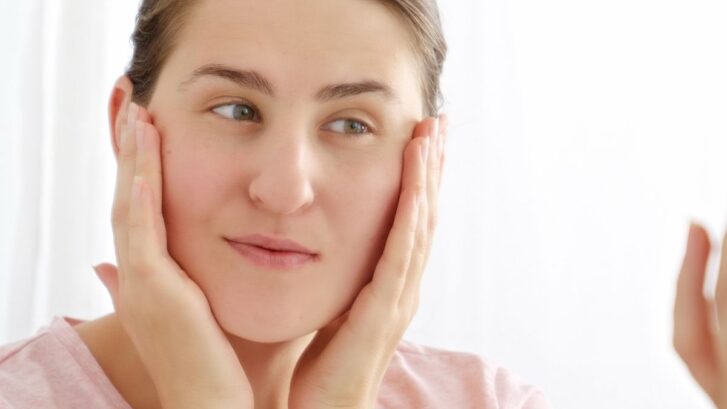
Why Are My Lips So Dry? Common Causes
Dry, cracked lips are more than just an inconvenience—they can be uncomfortable, painful, and sometimes embarrassing. Many people in Snellville, GA notice their lips becoming excessively dry throughout the year, especially during seasonal changes. If you’ve been asking yourself, “Why are my lips so dry?” you’re not alone. Understanding the causes can help you find lasting relief and protect your oral health.
Why Lips Dry Out So Easily
The skin on your lips is much thinner and more delicate than the skin on the rest of your body. Unlike other areas, lips do not have oil glands, which means they can’t naturally retain moisture. As a result, they are highly vulnerable to environmental conditions, lifestyle habits, and underlying health issues.
In Snellville, fluctuating weather patterns—hot summers, cool winters, and varying humidity levels—can all contribute to dry lips.
Common Causes of Dry Lips
1. Weather and Environmental Factors
Cold air, wind, and low humidity during winter can quickly strip moisture from your lips. In summer, excessive sun exposure and heat can cause dehydration and sunburn on the lips. Snellville residents often experience both extremes throughout the year.
2. Dehydration
Not drinking enough water is one of the most common reasons for persistently dry lips. When your body is dehydrated, your lips are often one of the first places to show it.
3. Lip Licking and Biting
While licking your lips might feel soothing at first, saliva evaporates quickly and leaves lips even drier. Frequent biting or picking at peeling skin can also worsen dryness and lead to cracking.
4. Allergic Reactions
Certain lip balms, lipsticks, toothpaste, or mouthwashes may contain ingredients that irritate sensitive lips. Fragrances, menthol, and artificial flavors are common triggers.
5. Sun Damage
Many people forget that lips need sun protection, too. Without SPF, your lips can become sunburned, dry, and prone to peeling—especially during outdoor activities in Georgia’s sunny climate.
6. Mouth Breathing
Breathing through your mouth, particularly at night, can dry out your lips and surrounding oral tissues. This is often linked to nasal congestion, allergies, or sleep-related issues.
7. Underlying Health Conditions
Certain vitamin deficiencies (such as B vitamins or iron), thyroid disorders, and autoimmune conditions can cause chronic dry lips. In some cases, persistent dryness may signal an oral or dental issue.
How Dry Lips Can Affect Oral Health
Dry lips aren’t just a cosmetic concern. Cracked lips can create openings for bacteria, increasing the risk of infections. Persistent dryness around the mouth may also indicate issues like angular cheilitis, which causes painful cracks at the corners of the lips and often requires professional care.
Dentists often notice early signs of dehydration, nutritional deficiencies, or oral habits during routine exams—making dental visits an important part of overall health.
What causes extremely dry lips?
Extremely dry lips can be caused by a combination of environmental, lifestyle, and health-related factors. Here are the most common reasons:
1. Dehydration
Not drinking enough water reduces moisture throughout your body, and your lips are often the first area to show signs of dehydration.
2. Weather Conditions
Cold temperatures, wind, low humidity, and excessive sun exposure can strip moisture from your lips, causing severe dryness and cracking.
3. Frequent Lip Licking or Biting
Saliva evaporates quickly and leaves lips drier than before. Repeated licking, biting, or picking worsens irritation and dryness.
4. Allergic Reactions or Irritants
Ingredients in lip balms, lipstick, toothpaste, or mouthwash—such as fragrances, menthol, or artificial flavors—can trigger irritation and dryness.
5. Sun Damage
Lips can get sunburned without proper SPF protection, leading to peeling, soreness, and extreme dryness.
6. Mouth Breathing
Breathing through your mouth, especially while sleeping, dries out lips and surrounding oral tissues.
7. Vitamin and Nutrient Deficiencies
Low levels of B vitamins, iron, or zinc can cause cracked, dry, and inflamed lips.
8. Medical Conditions
Conditions such as eczema, thyroid disorders, diabetes, autoimmune diseases, or angular cheilitis can lead to persistent lip dryness.
9. Certain Medications
Some medications, including acne treatments, antihistamines, and blood pressure drugs, may cause dryness as a side effect.
10. Poor Oral Health
Oral infections or ill-fitting dental appliances can contribute to dryness and cracking around the lips.
When to See a Dental Professional in Snellville, GA
If your lips remain dry, cracked, or painful despite home care, it’s time to seek professional help. Chronic dry lips may be linked to oral infections, nutritional deficiencies, or other health concerns that shouldn’t be ignored. A local Snellville dentist can help determine the cause and guide you toward lasting relief.
Frequently Asked Questions
1. Are dry lips a sign of dehydration?
Yes, dehydration is a common cause of dry lips. Drinking more water often helps improve lip moisture.
2. Can weather in Snellville, GA cause dry lips?
Absolutely. Seasonal changes, heat, sun exposure, and cold winds can all dry out your lips.
3. Is lip licking bad for dry lips?
Yes. Lip licking worsens dryness by removing natural moisture and causing irritation.
4. Should I use lip balm every day?
Yes, daily use of a moisturizing lip balm—especially one with SPF—helps protect and hydrate your lips.
5. Can dental issues cause dry lips?
Certain oral conditions, mouth breathing, or infections can contribute to dryness around the lips.
6. When should I see a dentist for dry lips?
If dryness is persistent, painful, or accompanied by cracks or sores, a dental visit is recommended.
7. Are vitamin deficiencies linked to dry lips?
Yes, deficiencies in B vitamins, iron, or zinc can cause chronic lip dryness and cracking.