
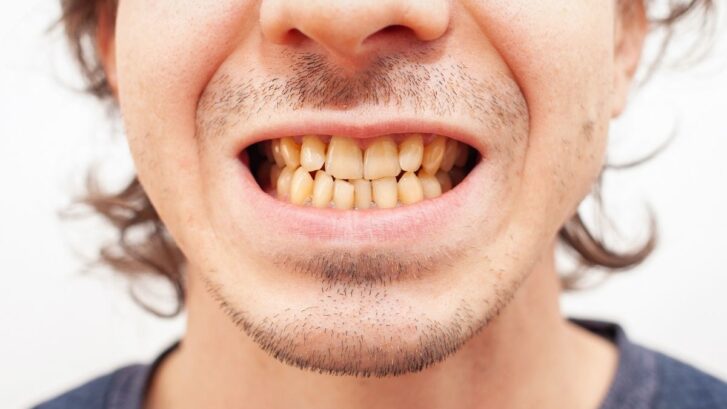
Why Have I Got White Marks on My Teeth?
White marks on teeth, often referred to as white spot lesions or white spots, are a common dental concern that affects people of all ages. These chalky-white or opaque areas can appear on the surface of your teeth and may make you feel self-conscious about your smile. If you’ve recently noticed these unwanted marks, you’re not alone. Understanding what causes them and what you can do about them is the first step toward restoring your confidence and achieving a brighter smile. The good news is that there are several effective solutions available, and with proper knowledge and professional guidance, these marks can be prevented and treated.
Understanding White Spots: What Are They?
White spots on your teeth are areas where the enamel has become demineralized or eroded, resulting in a chalky-white appearance that differs from the natural color of your teeth. These spots typically develop when minerals like calcium and phosphorus are stripped away from your tooth enamel, creating subsurface porosity that reflects light differently than surrounding healthy enamel. They usually appear first on the front teeth, particularly the central incisors, which can be especially noticeable when you smile.
Unlike cavities, which involve structural damage to the tooth, white spots are primarily a cosmetic concern, though they may indicate that the early stages of tooth decay have begun. However, it’s important to address them promptly, as they can progress into more serious dental problems if left untreated. The severity and appearance of white spots can vary significantly—some may be barely noticeable, appearing as small, opaque areas, while others cover a larger portion of the tooth surface.
The Main Causes of White Spots on Teeth
Fluorosis
Fluorosis is one of the most common causes of white spots, particularly in children. This condition occurs when a person is exposed to excessive fluoride during tooth development, which is typically before the age of eight. While fluoride is essential for preventing tooth decay, too much of it can cause white marks to develop. Excessive fluoride exposure can come from multiple sources, including fluoridated tap water, swallowing fluoride-containing toothpaste, and fluoride supplements.
According to dental research, approximately 25% of the US population experiences some degree of dental fluorosis. The “very mild” form is most common and appears as small, opaque areas covering less than 25% of the tooth surface. In mild cases, mottled patches may involve up to half of the tooth surface area.
Demineralization and Decalcification
Demineralization or decalcification is another primary cause of white spots, particularly in adults and teenagers. This process occurs when bacteria in your mouth produce acids that eat away at the calcium and phosphorus in your tooth enamel. When plaque builds up on your teeth due to poor oral hygiene, the highly acidic environment creates conditions that cause mineral loss from the enamel.
This type of white spot is particularly common in patients who have recently completed orthodontic treatment with braces. The brackets and wires make it challenging to clean teeth properly, allowing plaque to accumulate in hard-to-reach areas. Once the braces are removed, these demineralized areas appear as white spots where the enamel has been weakened.
Enamel Hypoplasia
Enamel hypoplasia, sometimes called Turner’s tooth, is a developmental condition where teeth have less enamel than normal or the enamel quality is compromised. This condition results from various factors, including malnutrition, high fever during illness, premature birth, smoking during pregnancy, certain medications, or trauma to the tooth. People with enamel hypoplasia may experience increased sensitivity and have a higher risk of decay in the affected areas.
Dietary Factors
Your diet plays a significant role in white spot formation. Consuming excessive amounts of acidic and sugary foods can weaken your tooth enamel and contribute to white spot development. Highly acidic beverages such as sodas, energy drinks, citrus juices, and sports drinks can erode enamel, increasing the risk of demineralization. Additionally, a diet low in calcium predisposes your teeth to white spots, as calcium is essential for maintaining strong enamel.
Treatment Options Available
If you already have white spots on your teeth, several professional treatment options can help restore your smile. Understanding these options will help you make an informed decision with your local dentist about which approach is best for your situation.
ICON Resin Infiltration
One of the most innovative and minimally invasive treatments available today is ICON (resin infiltration). This ADA-approved micro-invasive procedure can eliminate white spots in as little as 15-30 minutes without drilling or pain. The treatment works by opening the pores of tooth enamel through a specialized etching process, then infiltrating a tooth-colored resin into the white spot lesion. The resin perfectly matches your natural tooth color and hardens under a special light, effectively masking the white spot and preventing future decay.
Microabrasion and Teeth Whitening
Enamel microabrasion involves removing a very thin layer of enamel to minimize the appearance of white spots. This procedure is often followed by professional teeth whitening to make the teeth appear more uniform in color. This combination approach can be highly effective for superficial white spots.
Dental Veneers and Composite Resin
For more extensive white spots or those resistant to other treatments, dental veneers or composite resin restorations may be recommended. Veneers are thin, protective coverings that attach to the front surface of your teeth and effectively conceal white spots and other blemishes. While more costly than other options, veneers provide excellent cosmetic results.
Fluoride Treatments
For people with enamel hypoplasia, applying topical fluoride can help strengthen the enamel and prevent further decay. Your dentist may apply professional-strength fluoride gel to encourage enamel development and support remineralization.
Prevention Strategies
Preventing white spots is far easier than treating them, so it’s important to adopt good habits now. Start by practicing excellent oral hygiene—brush your teeth at least twice daily for two minutes using circular motions, and floss daily. Pay special attention to your gum line, positioning your toothbrush at a 45-degree angle.
Limit your consumption of acidic and sugary foods and beverages, as these are the primary culprits in enamel erosion. Drink plenty of water throughout the day to stimulate saliva production, which plays a crucial role in remineralizing tooth enamel. If you have children, ensure they don’t swallow fluoride toothpaste and monitor their fluoride intake from other sources. Visit our dental office, book an appointment to discuss your fluoride use with your dentist, especially if you live in an area with naturally fluoridated water.
Conclusion
White marks on your teeth don’t have to be a permanent part of your smile. Whether your white spots are caused by fluorosis, demineralization, or enamel hypoplasia, professional treatment options are available to restore your confidence. By understanding the causes and taking preventive measures, you can protect your teeth from future white spots. If you already have white spots, modern treatments like ICON resin infiltration offer quick, painless solutions that produce excellent cosmetic results. Remember, the best time to address dental concerns is now—don’t let white spots hold you back from showing off your beautiful smile.
Frequently Asked Questions
Q1: Are white spots on teeth a sign of tooth decay?
White spots from demineralization may indicate that early-stage tooth decay has begun, but not all white spots indicate cavities. Fluorosis and enamel hypoplasia cause white spots without cavity formation. However, demineralized white spots should be addressed promptly to prevent progression to actual cavities.
Q2: Can white spots on teeth go away on their own?
While some extremely mild white spots may fade over time, most persist without professional intervention. Treatment is typically necessary to completely remove white spots or significantly improve their appearance. Early detection and treatment typically yield better results.
Q3: Is it safe to remove white spots at home?
While several natural remedies like oil pulling, apple cider vinegar, and dairy products may support overall oral health, they are not effective at removing established white spots. Professional dental treatment is necessary for actual white spot removal. Attempting to remove white spots yourself could cause additional damage to your enamel.
Q4: How long does ICON treatment take?
ICON resin infiltration is a quick procedure that typically takes only 45 minutes to one hour from consultation to completion. Most patients can have their white spots treated in a single appointment without any drilling or anesthesia. The results are immediate and the treatment is completely painless.
Q5: How can I prevent white spots after getting my braces removed?
To prevent white spots after braces, maintain excellent oral hygiene throughout your orthodontic treatment by brushing thoroughly after every meal and flossing daily. Avoid sticky and acidic foods that can trap bacteria around brackets. After braces are removed, continue excellent oral hygiene and visit your dentist regularly for professional cleanings and check-ups.