
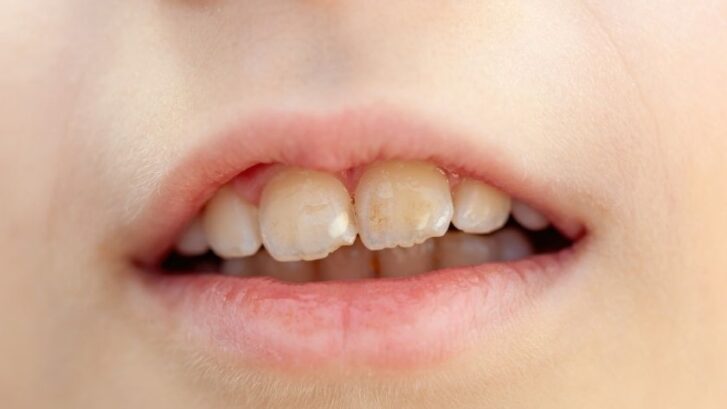
Does White Spots on Teeth Indicate Enamel Loss?
White spots on teeth are a common dental concern that many people notice while brushing or looking in the mirror. These chalky or cloudy patches can appear on the front or sides of teeth and may vary in size and brightness. While some white spots are harmless, others can be an early warning sign of enamel damage or poor oral health. Understanding the causes behind these spots is important because enamel does not naturally grow back once it is significantly lost.
Enamel is the protective outer layer of the teeth. It shields teeth from decay, sensitivity, and daily wear. When minerals are removed from the enamel surface, white spots may begin to appear. In many cases, these spots are an early stage of demineralization, which means the enamel is weakening.
What Causes White Spots on Teeth?
Several conditions can lead to white spots on teeth. Some are linked directly to enamel loss, while others may be caused by developmental or lifestyle factors.
Enamel Demineralization
One of the most common reasons for white spots is demineralization. This occurs when acids from bacteria, sugary foods, or acidic drinks strip minerals from the enamel. These areas become weaker and appear whiter than the surrounding tooth surface. If untreated, demineralization may eventually lead to cavities.
Poor Oral Hygiene
Inadequate brushing and flossing allow plaque to build up on teeth. Plaque bacteria produce acids that damage enamel over time. White spots often develop around braces or near the gumline when oral hygiene is inconsistent.
Fluorosis
Dental fluorosis happens when too much fluoride is consumed during childhood while teeth are still developing. Mild fluorosis may create faint white streaks or patches on the enamel. Although it is usually cosmetic, severe fluorosis can affect enamel strength.
Dietary Factors
Frequent consumption of sugary snacks, soda, sports drinks, and acidic foods can increase the risk of enamel erosion. Acidic environments weaken enamel and contribute to the formation of white spots.
Dry Mouth
Saliva helps protect teeth by neutralizing acids and restoring minerals. People with dry mouth may experience faster enamel breakdown because their teeth lack adequate natural protection.
Are White Spots Always a Sign of Enamel Loss?
Not every white spot indicates serious enamel damage, but many are connected to mineral loss in some way. Some spots may simply be cosmetic or related to genetics, while others signal the beginning stages of decay. A dentist can evaluate the texture, location, and severity of the spots to determine the exact cause.
If the white area feels rough, sensitive, or continues to spread, it may suggest active enamel weakening. Early diagnosis is important because mild enamel damage can often be managed before cavities develop.
Symptoms That May Accompany White Spots
White spots can appear alone or alongside other dental symptoms. Paying attention to these signs can help determine whether enamel loss is occurring.
Common symptoms include:
- Tooth sensitivity to hot or cold foods
- Rough or chalky tooth texture
- Increased staining around affected areas
- Small pits or grooves in enamel
- Mild discomfort when eating sweets
These symptoms may indicate that enamel has started to weaken and requires professional evaluation.
How Dentists Diagnose White Spots
A dental examination is usually the first step in identifying the cause of white spots. Dentists use visual inspection, dental tools, and sometimes digital X-rays to assess enamel health. The location and pattern of the spots often provide clues about the underlying issue.
For example:
- Spots near braces may suggest plaque buildup
- Generalized patches could indicate fluorosis
- Isolated rough areas may point to early decay
At Brookwood Dentistry, patients can receive a thorough evaluation to determine whether the spots are cosmetic concerns or signs of enamel damage.
Treatment Options for White Spots
Treatment depends on the severity and cause of the condition. In many cases, early intervention can improve the appearance of white spots while protecting enamel from further deterioration.
Fluoride Treatments
Professional fluoride applications can strengthen weakened enamel and encourage remineralization. This approach is especially effective in the early stages of demineralization.
Improved Oral Hygiene
Consistent brushing with fluoride toothpaste and daily flossing can reduce plaque buildup and prevent additional enamel loss.
Dental Bonding
For more noticeable white spots, bonding may be used to improve the appearance of teeth. A tooth-colored resin is applied and shaped to blend naturally with surrounding enamel.
Microabrasion
This cosmetic treatment gently removes a thin layer of enamel to reduce the visibility of superficial white spots.
Veneers
In severe cases, veneers may be recommended to cover extensive discoloration or enamel damage. Veneers provide a smooth and natural-looking appearance.
Can White Spots Be Prevented?
Many white spots can be prevented with proper dental habits and lifestyle choices. Protecting enamel is essential for maintaining a healthy smile.
Helpful prevention tips include:
- Brush twice daily with fluoride toothpaste
- Limit sugary and acidic foods
- Drink more water throughout the day
- Visit the dentist regularly for cleanings
- Wear retainers or braces as directed and clean them carefully
- Avoid excessive fluoride intake in children
Maintaining strong enamel reduces the risk of both white spots and tooth decay.
When Should You See a Dentist?
It is important to schedule a dental visit if white spots suddenly appear, become larger, or are accompanied by sensitivity. Ignoring these changes may allow enamel damage to progress. Early treatment can often reverse mild demineralization before cavities form.
Brookwood Dentistry provides professional evaluations and personalized treatment plans for patients experiencing enamel concerns. Visit our dental office to learn more about protecting your smile and improving enamel health. If you notice persistent white spots or tooth sensitivity, book an appointment for a professional assessment.
Frequently Asked Questions
1. What do white spots on teeth usually mean?
White spots often indicate mineral loss in the enamel. They can also result from fluorosis, braces, poor oral hygiene, or dietary habits that weaken the tooth surface over time.
2. Can white spots on teeth go away naturally?
Some mild white spots may fade with improved oral hygiene and fluoride exposure. However, deeper enamel changes usually require professional dental treatment for noticeable improvement.
3. Are white spots a cavity?
White spots can be an early sign of tooth decay before a cavity forms. They often represent weakened enamel that may worsen if left untreated for too long.
4. Do white spots cause tooth sensitivity?
Yes, weakened enamel associated with white spots can make teeth more sensitive to hot, cold, sweet, or acidic foods and beverages.
5. Is fluorosis harmful to teeth?
Mild fluorosis is mainly cosmetic and usually does not affect tooth function. Severe fluorosis, however, may weaken enamel and alter the appearance of teeth.
6. Can adults develop white spots on teeth?
Adults can develop white spots due to enamel erosion, acidic foods, dry mouth, poor oral hygiene, or plaque buildup around dental restorations or braces.
7. How can dentists treat white spots effectively?
Dentists may use fluoride treatments, bonding, microabrasion, or veneers depending on the cause and severity of the enamel changes and discoloration.