
Please ensure Javascript is enabled for purposes of website accessibility

Tag Archives: dentist

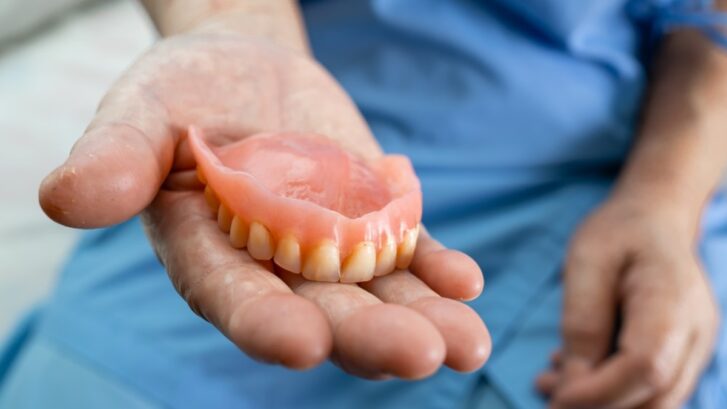
Dentist holding a complete upper denture showing natural-looking teeth in Snellville, GA.

The Role of Dentists in Ensuring Comfortable and Effective Dentures

Dentures play a crucial role in restoring the functionality and aesthetics of a patient’s smile after tooth loss. As dental professionals, dentists are essential in providing patients with comfortable and effective denture solutions.

Understanding Dentures: Types and Functions

What Are Dentures?
Dentures are removable appliances designed to replace missing teeth. They can be complete or partial, depending on the extent of tooth loss. Complete dentures are used when all teeth are missing, while partial dentures fill gaps left by one or more missing teeth.

Types of Dentures

  1. Conventional Dentures: These are made after the gums have healed post-extraction, ensuring a snug fit.
  2. Immediate Dentures: Placed immediately after tooth extraction, they allow patients to maintain aesthetics while healing.
  3. Implant-Supported Dentures: These are anchored to dental implants for enhanced stability and comfort.

The Importance of Custom Fitting

Why Custom Fitting Matters
One of the primary responsibilities of dentists is to ensure that dentures fit properly. A well-fitted denture enhances comfort and functionality, allowing patients to eat and speak without difficulty. Poorly fitted dentures can lead to discomfort, sores, and even speech problems.

The Fitting Process

  1. Initial Consultation: The dentist evaluates the patient’s oral health and discusses their needs.
  2. Impressions: Accurate impressions of the gums and any remaining teeth are taken to create a custom mold.
  3. Trial Fitting: A trial denture is fitted to assess comfort and aesthetics before the final product is made.
  4. Final Adjustments: After making necessary adjustments based on patient feedback, the final denture is created.

Enhancing Comfort Through Technology

Modern Techniques in Denture Creation
Advancements in dental technology have significantly improved the way dentures are made. Digital dentistry allows for precise measurements and designs that enhance fit and comfort. For instance, 3D printing technology can create highly accurate models that reduce fitting issues.

Patient Education: A Key Component

Empowering Patients with Knowledge
Educating patients about their dentures is vital for ensuring long-term satisfaction. Dentists provide information on how to care for dentures, including cleaning routines and dietary adjustments to prevent damage.

Common Patient Concerns
Patients often have questions about:

  • How long it takes to adjust to wearing dentures.
  • What foods to avoid.
  • Signs that indicate a need for professional adjustment.

Ongoing Care and Maintenance

Regular Check-Ups
Dentists recommend regular check-ups to monitor the condition of dentures and the health of the gums. Over time, changes in jaw structure can affect how well dentures fit, necessitating adjustments or replacements.

Importance of Hygiene
Maintaining proper hygiene is essential for preventing oral infections and ensuring the longevity of dentures. Dentists guide patients on effective cleaning methods to keep their dentures in optimal condition.

Dentists play an indispensable role in ensuring that patients receive comfortable and effective denture solutions. From custom fitting techniques to ongoing care and education, their expertise is crucial for enhancing patient satisfaction with implant dentures. If you’re considering dentures or need assistance with your current ones, contact us at Brookwood Dentistry for personalized care tailored to your needs.

Dental mirror reflecting missing upper front teeth during oral examination.

How Missing Teeth Can Change Your Smile

Missing teeth can have a profound impact on your oral health, self-esteem, and overall quality of life. Understanding how missing teeth can change your smile is crucial for recognizing the importance of timely dental care and exploring options for restoration. In this blog, we will discuss the various ways missing teeth can affect your appearance and functionality, as well as the benefits of dental implants.

The Impact of Missing Teeth

1. Changes in Facial Structure

One of the most significant effects of losing teeth is the alteration in facial structure. Teeth provide essential support to the jawbone and help maintain the shape of your face. When teeth are missing, the jawbone can begin to deteriorate due to a lack of stimulation, leading to a sunken appearance and sagging skin. This bone loss not only affects your smile but can also make you look older than you are.

2. Shifting Teeth

When a tooth is lost, adjacent teeth may start to drift into the space. This shifting can lead to misalignment and bite issues, making it difficult to chew properly. Misaligned teeth can also contribute to jaw pain and discomfort, further complicating your oral health.

3. Difficulty Chewing and Speaking

Missing teeth can create challenges when it comes to chewing food and speaking clearly. Certain sounds may become difficult to pronounce without the support of all your teeth, leading to speech difficulties that can affect your confidence in social situations. Additionally, chewing becomes less efficient, which may result in dietary restrictions as some people avoid hard or crunchy foods.

4. Increased Risk of Gum Disease

Gaps left by missing teeth can trap food particles and plaque, increasing the risk of gum disease and tooth decay. Maintaining proper oral hygiene becomes more challenging when there are spaces between teeth, making regular brushing and flossing less effective at preventing oral health issues.

The Benefits of Dental Implants

If you’re facing tooth loss, dental implants in Snellville offer a reliable solution that mimics the function and appearance of natural teeth. Here are some key benefits:

  • Natural Appearance: Dental implants are designed to look like your natural teeth, providing a seamless integration with your smile.
  • Improved Functionality: Implants restore full chewing ability, allowing you to enjoy your favorite foods without discomfort or difficulty.
  • Bone Preservation: Unlike dentures or bridges, dental implants stimulate the jawbone, preventing bone loss and maintaining facial structure.
  • Durability: With proper care, dental implants can last a lifetime, making them a cost-effective long-term solution for tooth replacement.
  • Enhanced Self-Esteem: Restoring your smile with dental implants can significantly boost your confidence and improve your quality of life.

Choosing the Right Solution

If you’re considering dental implants or other restorative options for missing teeth, it’s essential to consult with a qualified professional. A cosmetic dentist in Snellville can evaluate your specific needs and recommend the best treatment plan tailored to you. They will assess factors such as bone density, overall oral health, and personal preferences to ensure optimal results.

Missing teeth can have far-reaching effects on your smile and overall well-being. From changes in facial structure to difficulties in chewing and speaking, the consequences are significant. However, solutions like dental implants in Snellville provide an effective way to restore both function and aesthetics to your smile. At Brookwood Dentistry, we are committed to helping you achieve a healthy and beautiful smile through personalized care and advanced dental solutions. If you’re struggling with missing teeth or have any questions about our restorative options, contact us today! Our experienced team is here to provide you with the highest quality dental care tailored to meet your needs!

Patient experiencing jaw pain from teeth grinding receives compassionate care from dentist in Snellville.

How Teeth Grinding Hurts Your Smile

As a cosmetic dentist in Snellville, it’s essential to address the common issue of teeth grinding, also known as bruxism. This condition can have devastating effects on your oral health, leading to various complications that can impact not only your smile but also your overall well-being. Understanding how teeth grinding occurs and the potential damage it can cause is crucial for maintaining a healthy mouth. In this blog, we will explore the effects of bruxism, its causes, and the importance of seeking help from a dentist in Snellville, GA.

What Is Teeth Grinding?

Teeth grinding is the involuntary clenching or grinding of teeth, often occurring during sleep or times of stress. It can be caused by several factors, including anxiety, misaligned teeth, or even certain medications. Many people are unaware that they grind their teeth until they experience symptoms such as jaw pain or headaches.

The Consequences of Teeth Grinding

  1. Enamel Erosion: One of the most significant impacts of bruxism is the erosion of tooth enamel. The constant friction and pressure from grinding can wear down this protective layer, making teeth more susceptible to decay and sensitivity.
  2. Chipped or Cracked Teeth: Over time, excessive grinding can lead to chips or cracks in your teeth. This not only affects the appearance of your smile but can also lead to further dental complications, including infections.
  3. Jaw Pain and TMD: Grinding can put immense pressure on the jaw muscles and joints, leading to temporomandibular disorder (TMD). This condition can cause pain in the jaw, neck, and shoulders, making it difficult to eat or speak comfortably.
  4. Headaches: Many individuals who grind their teeth experience tension headaches due to the strain placed on their facial muscles. This discomfort can significantly affect daily activities and quality of life.
  5. Changes in Tooth Alignment: Chronic grinding can lead to shifting teeth and changes in bite alignment. This misalignment may require orthodontic treatment to correct.

Identifying the Signs of Bruxism

Recognizing the signs of bruxism is essential for early intervention. Common indicators include:

  • Worn tooth surfaces
  • Increased tooth sensitivity
  • Jaw soreness upon waking
  • Frequent headaches
  • Clicking or popping sounds in the jaw

If you notice any of these symptoms, it’s crucial to consult with a experienced dentist in Snellville, GA, who can provide an accurate diagnosis and recommend appropriate treatment options.

Treatment Options for Teeth Grinding

Addressing bruxism often involves a multi-faceted approach:

  1. Custom Night Guards: One of the most effective treatments for bruxism is wearing a custom-made night guard while sleeping. These devices create a barrier between your upper and lower teeth, preventing damage from grinding.
  2. Stress Management Techniques: Since stress is a common trigger for bruxism, incorporating relaxation techniques such as meditation, yoga, or deep breathing exercises can help reduce grinding episodes.
  3. Dental Corrections: If misaligned teeth are contributing to bruxism, orthodontic treatment may be necessary to correct the alignment and alleviate grinding.
  4. Medication: In some cases, medication may be prescribed to help manage anxiety or muscle relaxants to reduce grinding severity.

Teeth grinding is a serious condition that can significantly impact your smile and overall oral health. As a cosmetic dentist in Snellville, I encourage anyone experiencing symptoms of bruxism to seek professional help promptly. Early intervention is key to preventing long-term damage and preserving your beautiful smile. At Brookwood Dentistry, we specialize in providing comprehensive dental care tailored to your needs. Our experienced team is here to help you manage bruxism effectively and ensure your smile remains healthy and vibrant! Contact us today to schedule an appointment and take the first step towards better oral health.

1 2 3