
Please ensure Javascript is enabled for purposes of website accessibility

Category Archives: TMJ Treatment

TMJ Treatment Snellville

How TMJ Treatment Can Prevent Future Dental Issues

Do you frequently experience jaw pain, headaches, or clicking sounds when you chew? These could be signs of a temporomandibular joint (TMJ) disorder, a common condition affecting the jaw joints and the muscles that control jaw movement. While the discomfort itself is bothersome, many people don’t realize that untreated TMJ can lead to a cascade of more serious dental problems down the line. In Snellville, Brookwood Dentistry understands the intricate connection between your jaw health and your overall oral well-being, offering effective TMJ treatment to safeguard your smile.


Understanding TMJ Disorders: Beyond Just Jaw Pain

The temporomandibular joints are the two hinges connecting your lower jaw to your skull, located just in front of your ears. They allow you to move your jaw up and down, side to side, and forward and back, enabling you to speak, chew, and yawn. When these complex joints or the surrounding muscles experience dysfunction, it can lead to a TMJ disorder, often referred to simply as “TMJ.”


Common TMJ symptoms include:

  • Pain or tenderness in your jaw, face, neck, or around your ear
  • Difficulty or discomfort while chewing
  • Clicking, popping, or grating sounds when you open or close your mouth
  • A feeling of your jaw locking or getting stuck
  • Headaches, earaches, or even ringing in the ears (tinnitus)
  • Changes in the way your upper and lower teeth fit together (malocclusion)

The causes of TMJ disorders can be multifactorial, ranging from teeth grinding (bruxism) and clenching to injury, arthritis, or even stress. Ignoring these early warning signs can set the stage for more complex and costly dental issues.


The Ripple Effect: How Untreated TMJ Harms Your Teeth and Gums

It’s tempting to dismiss jaw discomfort, hoping it will resolve on its own. However, untreated TMJ can exert chronic stress on your teeth, gums, and other oral structures, leading to a host of future dental problems.


Excessive Tooth Wear and Damage: The Impact of Misalignment

One of the most significant consequences of untreated TMJ is excessive tooth wear. When your jaw joints are misaligned or the muscles are unbalanced, your bite can become uneven. This uneven bite leads to abnormal forces on certain teeth during chewing and clenching, causing accelerated wear of tooth enamel. Over time, this can result in:


  • Worn-down teeth: Teeth can become flat, chipped, or fractured.
  • Increased tooth sensitivity: As enamel erodes, the underlying dentin becomes exposed, leading to sensitivity to hot, cold, or sweet foods.
  • Cracked teeth: Uneven pressure can lead to hairline cracks or even full fractures in teeth, which may require crowns or even extractions.
  • Loose teeth: Chronic stress on teeth can eventually weaken their support structures, leading to tooth mobility.

Gum Recession and Periodontal Problems: Protecting Supporting Structures

The forces generated by a dysfunctional TMJ can also negatively impact your gum health. Constant clenching or grinding associated with TMJ disorders can put undue stress on the periodontal ligaments that hold your teeth in place. This can contribute to gum recession, where the gum tissue pulls away from the teeth, exposing the tooth roots. Exposed roots are more vulnerable to decay and sensitivity. Furthermore, the difficulty in maintaining proper oral hygiene due to jaw pain or limited jaw movement can increase the risk of gum disease (gingivitis and periodontitis), which, if left unchecked, can lead to bone loss and ultimately tooth loss.


Strain on Dental Restorations: The Hidden Cost

If you have existing dental restorations like fillings, crowns, bridges, or even dental implants, untreated TMJ can place them under immense strain. The abnormal biting forces can cause these restorations to crack, fracture, or become dislodged prematurely. This means more frequent and costly trips to the dentist for repairs or replacements, adding to your dental expenses and discomfort. Protecting your dental restorations is a key benefit of addressing TMJ proactively.


Comprehensive TMJ Treatment Options in Snellville

At Brookwood Dentistry in Snellville, the team understands that effective TMJ treatment goes beyond simply addressing symptoms. They focus on identifying the underlying causes of your jaw disorder to provide long-lasting relief and prevent future dental complications.


TMJ treatment options may include:

  • Custom Oral Appliances: Many TMJ issues can be managed with a custom-made bite splint or night guard. These devices help reposition the jaw, reduce clenching and grinding, and alleviate pressure on the joints.
  • Physical Therapy and Jaw Exercises: Specific exercises can help stretch and strengthen jaw muscles, improve range of motion, and reduce pain.
  • Medication: Non-steroidal anti-inflammatory drugs (NSAIDs), muscle relaxants, or even certain antidepressants can be prescribed to manage pain and muscle spasms.
  • Lifestyle Modifications: Avoiding hard or chewy foods, managing stress, and practicing relaxation techniques can significantly reduce TMJ symptoms.
  • Orthodontic Evaluation: In some cases, misalignment of teeth may contribute to TMJ issues. An orthodontic assessment can determine if tooth alignment correction is necessary.
  • Dental Adjustments (Occlusal Equilibration): Minor adjustments to the biting surfaces of your teeth can help create a more balanced bite, reducing stress on the TMJ.

By seeking professional TMJ diagnosis and treatment from an experienced dentist in Snellville like Brookwood Dentistry, you can not only find relief from current discomfort but also proactively protect your teeth and gums from the damaging effects of an untreated jaw disorder. Don’t let TMJ compromise your oral health; take the step towards a healthier, more comfortable smile today.

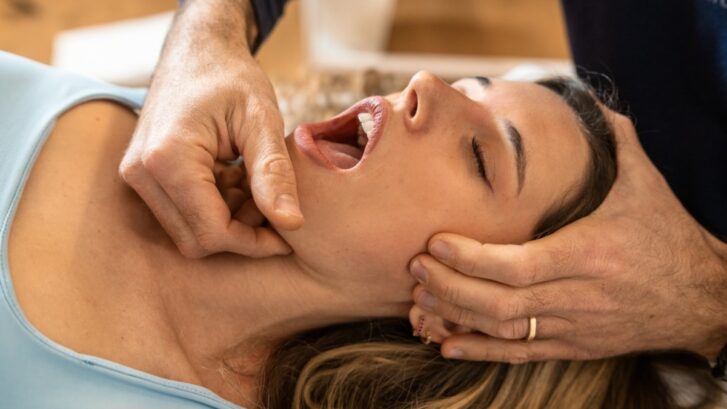
TMJ Treatment

How TMJ Therapy Can Reduce Headaches and Stress

Headaches are a common ailment, often attributed to stress, poor posture, or lack of sleep. Stress is also a daily reality for many of us, impacting our overall well-being. But what if there was a connection between those nagging headaches and the tension you feel in your jaw? Many people don’t realize that issues with the temporomandibular joint (TMJ) can be a significant contributor to chronic headaches and increased stress levels.

If you’re experiencing persistent head pain, facial discomfort, or jaw stiffness, you might benefit from professional TMJ Treatment. Finding a qualified Dentist in Snellville who understands these complex issues is the first step toward finding relief.


Understanding the TMJ and TMD

The temporomandibular joints are the two joints connecting your jawbone to your skull, located just in front of your ears. They are among the most used joints in the body, facilitating essential functions like chewing, speaking, and swallowing. Temporomandibular Joint Disorder (TMD) refers to a group of conditions causing pain and dysfunction in these joints and the muscles controlling jaw movement.

TMD can be caused by various factors, including:

  • Grinding or clenching teeth (often stress-related)
  • Injury to the jaw, head, or neck
  • Arthritis in the joint
  • Stress, which can cause tightening of facial and jaw muscles
  • Misalignment of the teeth or jaw

The Surprising Link Between TMJ, Headaches, and Stress

The muscles connected to your jaw extend into your temples, cheeks, and even your neck and shoulders. When the TMJ is not functioning correctly, or when the surrounding muscles are tense (often due to clenching or grinding, which stress can exacerbate), it puts strain on this entire muscular system.

This muscle tension is a primary reason why TMD is so often linked to headaches, particularly tension headaches. The pain can radiate from the jaw area up into the head, behind the eyes, or into the neck. Furthermore, dealing with chronic pain and discomfort from TMD can itself become a significant source of stress, creating a challenging cycle. Effective TMJ Treatment aims to break this cycle by addressing the root cause of the jaw dysfunction and muscle tension.


How a Dentist Diagnoses TMD

Diagnosing TMD requires a thorough examination by a dentist experienced in jaw disorders. During your visit to a Dentist in Snellville for suspected TMJ issues, they will typically:

  • Ask about your symptoms, medical history, and habits (like teeth grinding).
  • Carefully examine your jaw joints for clicking, popping, or grinding sounds.
  • Check your bite and the movement of your jaw.
  • Palpate the muscles around your jaw and face to check for tenderness or pain.
  • They may also use imaging techniques like X-rays or a CT scan to get a better look at the joint structure.

A proper diagnosis is essential to determine the most effective TMJ Treatment plan for your specific condition.


Effective TMJ Treatment Options

Fortunately, various treatments can help alleviate TMD symptoms and reduce associated headaches and stress. The approach depends on the severity and cause of your condition but may include:

  • Oral Appliances (Splints or Mouthguards): These custom-made devices are worn over the teeth, often at night. They help position the jaw correctly, reduce grinding and clenching, and take pressure off the TMJ. This is a common and often highly effective TMJ Treatment.
  • Physical Therapy: Exercises to stretch and strengthen jaw muscles can improve function and reduce pain.
  • Medication: Pain relievers, anti-inflammatories, or muscle relaxants may be prescribed for short-term relief.
  • Stress Management: Learning techniques to manage stress can help reduce teeth grinding and clenching.
  • Lifestyle Changes: Avoiding hard or chewy foods, not opening your mouth too wide, and applying moist heat or ice to the jaw can help.
  • Botox Injections: In some cases, Botox can be used to relax the jaw muscles and reduce pain.
  • Surgery: This is usually considered a last resort for severe cases that don’t respond to other treatments.

By stabilizing the jaw and relaxing tense muscles, TMJ Treatment directly addresses the physical source of headaches and discomfort, simultaneously helping to lower the stress caused by chronic pain.


Finding Relief in Snellville

You don’t have to live with chronic headaches and jaw pain. Seeking professional TMJ Treatment is a proactive step toward improving your quality of life. A knowledgeable Dentist in Snellville can accurately diagnose your condition and develop a personalized treatment plan to target your specific symptoms.

If you’re ready to explore how TMJ Treatment can help reduce your headaches and stress, contact Brookwood Dentistry in Snellville. Our experienced team understands the complexities of TMD and is here to provide compassionate care and effective solutions to help you achieve comfort and a healthier smile.

TMJ Treatment

A Comprehensive Treatment Approach to TMJ Disorder in Snellville

Temporomandibular joint (TMJ) disorder, often simply called TMJ, can cause significant discomfort and impact your daily life. If you’re experiencing jaw pain, clicking sounds when you chew, or persistent headaches, you might be suffering from this condition. At Brookwood Dentistry in Snellville, we offer a comprehensive approach to TMJ treatment, designed to diagnose the root cause of your pain and provide effective, lasting relief.


Understanding the Complexities of TMJ Disorder

The temporomandibular joint connects your jawbone to your skull, acting like a sliding hinge. TMJ disorders arise when problems occur with this joint, its surrounding muscles, or the ligaments that control its movement. These disorders can stem from a variety of factors, making diagnosis and treatment crucial.


What Causes TMJ Disorder?

While the exact cause of TMJ disorder isn’t always clear, several contributing factors are often identified:


Stress: Clenching or grinding your teeth, often a subconscious reaction to stress, can put excessive strain on the TMJ and surrounding muscles.

Malocclusion (Bite Problems): Misalignment of the teeth can affect how the jaw joints fit together, leading to TMJ issues.

Injury: Trauma to the jaw or surrounding areas can trigger or exacerbate TMJ problems.

Arthritis: Conditions like osteoarthritis or rheumatoid arthritis can affect the TMJ, causing pain and inflammation.

Connective Tissue Disorders: Certain connective tissue disorders can predispose individuals to TMJ problems.


Recognizing the Symptoms of TMJ Disorder

TMJ disorder manifests in a variety of ways, and the symptoms can differ significantly from person to person. Common signs and symptoms include:


Common TMJ Symptoms

  • Jaw Pain: This is often the most prominent symptom, ranging from mild discomfort to severe, debilitating pain.
  • Clicking or Popping Sounds: You might hear or feel clicking, popping, or grating sounds when you open or close your mouth.
  • Headaches: TMJ-related headaches often mimic tension headaches or migraines and can be located in the temples, forehead, or back of the head.
  • Facial Pain: Pain can radiate to the cheeks, ears, or neck.
  • Limited Jaw Movement: Difficulty opening your mouth wide or locking of the jaw can occur.
  • Ear Pain or Ringing: TMJ problems can sometimes cause ear pain, fullness, or tinnitus (ringing in the ears).
  • Dizziness: In some cases, TMJ can contribute to dizziness or vertigo.

A Personalized Approach to TMJ Treatment at Brookwood Dentistry

At Brookwood Dentistry in Snellville, we understand that each case of TMJ disorder is unique. We take a personalized approach to treatment, beginning with a thorough examination to accurately diagnose the underlying cause of your pain.


Our TMJ Treatment Process

  1. Comprehensive Evaluation: We’ll review your medical history, discuss your symptoms, and conduct a physical examination of your jaw, muscles, and bite. We may also use imaging techniques like X-rays to assess the joint structure.
  2. Accurate Diagnosis: Based on our findings, we’ll provide a clear diagnosis of your TMJ disorder and explain the contributing factors.
  3. Customized Treatment Plan: We’ll develop a tailored treatment plan to address your specific needs and goals.

TMJ Treatment Options

Depending on the severity and cause of your TMJ disorder, we may recommend one or more of the following treatments:


Self-Care Strategies: For mild cases, we may suggest simple self-care techniques like applying heat or ice packs, eating soft foods, and avoiding chewing gum.

Medications: Over-the-counter pain relievers or muscle relaxants can help manage pain and inflammation. In some cases, we may prescribe stronger medications.

Oral Splints or Night Guards: These custom-made appliances fit over your teeth and help to reposition the jaw, reduce teeth grinding, and alleviate pressure on the TMJ.

Physical Therapy: Specific exercises and stretches can improve jaw mobility and reduce muscle tension.

Injections: In some cases, corticosteroid injections into the joint can reduce inflammation and provide pain relief.

Surgery: Surgery is typically considered a last resort for severe cases of TMJ disorder when other treatments have failed.

Finding a Qualified Dentist for TMJ Treatment

If you’re searching for “TMJ treatment” or a “dentist near me” in the Snellville area, Brookwood Dentistry is here to help. We are committed to providing compassionate, comprehensive care for TMJ disorder.


Why Choose Brookwood Dentistry?

Experienced Team: Our team has extensive experience in diagnosing and treating TMJ disorders.

Personalized Care: We tailor our treatment plans to meet the unique needs of each patient.

Advanced Technology: We utilize the latest technology to ensure accurate diagnosis and effective treatment.

Comfortable Environment: We strive to create a relaxing and comfortable environment for our patients.


Don’t Suffer in Silence: Seek TMJ Treatment Today

TMJ disorder can significantly impact your quality of life. Don’t let jaw pain, headaches, and other symptoms control your life. Contact Brookwood Dentistry in Snellville today to schedule a consultation and take the first step towards lasting relief. We’re dedicated to helping you regain your comfort and smile with confidence.