
Mamelons Normal on Adult Teeth? What to Know
If you’ve noticed small bumps along the edges of your front teeth, you may be wondering whether they are normal or a sign of a dental issue. These bumps are called mamelons, and they commonly appear on newly erupted permanent teeth. While they are most often associated with children and teens, some adults still have them as well.
At Brookwood Dentistry, patients often ask whether mamelons require treatment or if they can affect oral health. Understanding why they appear and when to visit a dentist can help you feel more confident about your smile.
What Are Mamelons?
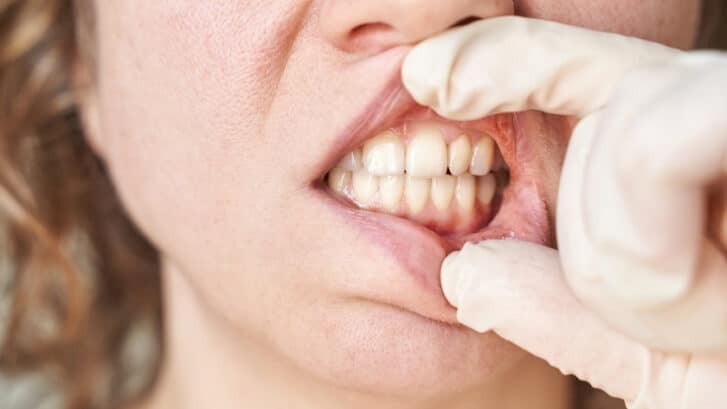
Mamelons are the rounded ridges found on the biting edges of the front teeth, especially the upper and lower incisors. They develop naturally as permanent teeth erupt through the gums. Most people have three small bumps on each front tooth.
In many cases, these ridges wear down naturally over time due to regular chewing and tooth contact. However, some adults continue to have visible mamelons because their teeth may not meet properly when biting.
Are Mamelons Normal on Adult Teeth?
Yes, mamelons can be completely normal on adult teeth. They are not harmful and usually do not indicate decay, damage, or disease. Adults who still have visible mamelons often have minimal wear on their front teeth or a bite pattern that prevents natural smoothing.
Some people keep mamelons simply because their teeth are well preserved. Others may have orthodontic issues that limit tooth-to-tooth contact.
If you are concerned about the appearance of your teeth, an experienced dentist in Snellville can evaluate your bite and discuss whether any cosmetic treatment is appropriate.
Why Do Some Adults Still Have Mamelons?
There are several reasons why mamelons may remain visible into adulthood:
Limited Tooth Wear
When front teeth do not regularly touch during chewing or speaking, the ridges may not wear down naturally.
Misaligned Bite
An uneven bite or orthodontic issue can prevent normal friction between teeth. This allows mamelons to stay noticeable for years.
Minimal Grinding or Clenching
People who do not grind their teeth often experience less enamel wear, which may preserve mamelons longer.
Genetics and Tooth Shape
Natural tooth anatomy varies from person to person. Some individuals simply have more pronounced mamelons than others.
Do Mamelons Need Treatment?
In most situations, mamelons do not require any treatment at all. They are considered a natural part of tooth development and generally do not affect oral health.
However, some adults choose cosmetic contouring if they dislike the appearance of uneven tooth edges. A dental office in Snellville can smooth the ridges gently using professional polishing techniques. The process is quick, painless, and usually completed in a single visit.
It is important not to attempt filing or shaping teeth at home, as this can permanently damage enamel.
Can Mamelons Indicate a Bite Problem?
Sometimes, visible mamelons may suggest that the upper and lower front teeth are not making proper contact. This can happen due to:
- Overbite
- Open bite
- Misaligned teeth
- Jaw positioning concerns
A dental evaluation can determine whether the mamelons are simply cosmetic or connected to a bite issue that may need attention.
Brookwood Dentistry provides comprehensive dental evaluations to help identify bite concerns before they lead to excessive wear or discomfort.
Cosmetic Options for Smoother Teeth
If mamelons affect your confidence, there are several cosmetic solutions available:
Enamel Contouring
A dentist carefully smooths the ridges for a more even appearance.
Dental Bonding
Tooth-colored resin may be used to reshape the edges of teeth.
Orthodontic Treatment
If bite alignment is the root cause, braces or clear aligners may improve both function and appearance.
Discussing your goals with a trusted dentist in Snellville can help you choose the right option for your smile.
When Should You See a Dentist?
Although mamelons are harmless, you should schedule a dental visit if you notice:
- Tooth sensitivity
- Uneven bite pressure
- Chipped or worn teeth
- Difficulty chewing
- Concerns about your smile aesthetics
Routine dental checkups can ensure your teeth remain healthy and properly aligned. If you want to check our patient reviews before scheduling, many local patients share positive experiences about professional dental care and cosmetic treatments.
Maintaining Healthy Teeth
Keeping your teeth healthy is important whether you have mamelons or not. Good oral hygiene habits include:
- Brushing twice daily
- Flossing every day
- Limiting sugary foods and drinks
- Visiting your dental practice regularly
- Wearing a mouthguard if you grind your teeth
Healthy enamel helps protect your teeth and keeps your smile looking its best for years to come.
Final Thoughts
Mamelons on adult teeth are usually normal and harmless. In many cases, they simply reflect natural tooth anatomy or minimal enamel wear. While treatment is rarely necessary, cosmetic options are available for adults who want smoother-looking teeth.
If you have concerns about your bite, tooth shape, or overall smile appearance, it may be helpful to book an appointment with a qualified dental professional for a personalized evaluation.
Frequently Asked Questions
- What are mamelons on teeth?
Mamelons are small, rounded bumps on the edges of front teeth that appear naturally when permanent teeth first erupt through the gums.
- Are mamelons common in adults?
Yes, some adults still have mamelons because their front teeth may not wear down naturally due to limited tooth contact.
- Do mamelons cause pain?
Mamelons are usually painless and harmless. They rarely cause discomfort unless another dental issue is affecting the teeth.
- Can mamelons be removed safely?
Yes, dentists can safely smooth mamelons using cosmetic contouring procedures that preserve the natural tooth structure.
- Do mamelons mean my teeth are unhealthy?
No, mamelons are a normal part of tooth anatomy and typically do not indicate decay, infection, or dental disease.
- Can braces help with mamelons?
Orthodontic treatment may improve bite alignment, which can naturally reduce the appearance of mamelons over time.
- Why haven’t my mamelons worn away?
They may remain visible because of minimal tooth wear, bite alignment differences, or natural tooth shape variations.